Blue Lakes
Context
The Blue Lakes are a unique natural site located just 30 minutes from the center of Kazan. Their ecosystem combines the healing properties of the water with the therapeutic potential of the surrounding forests. Popular among locals for diving and cold-water bathing, the lakes are also a major tourist destination.
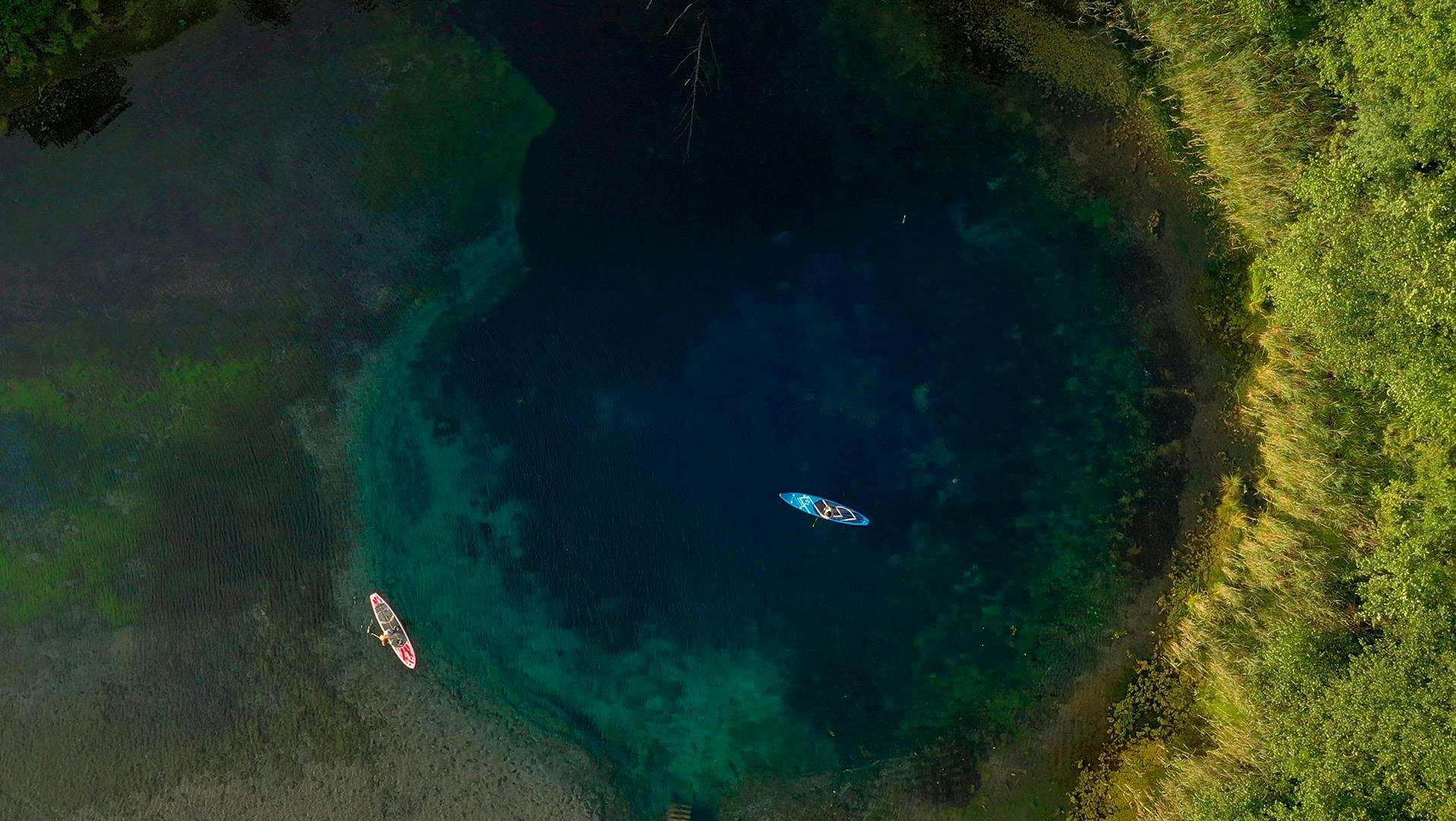
To reduce human impact and raise awareness of the ecological value of the Blue Lakes, we developed a project aimed at fostering a more respectful relationship with the environment.
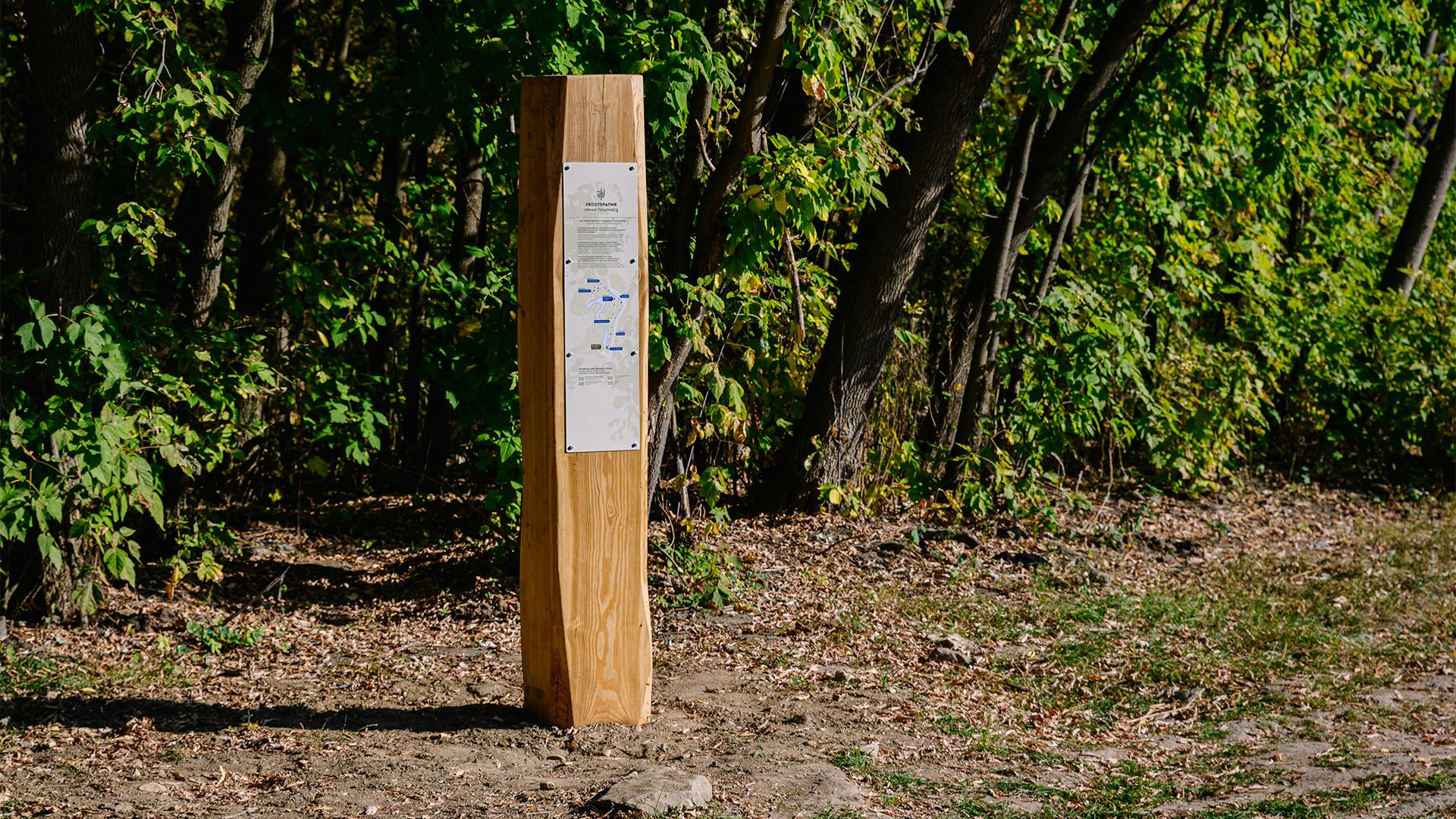
New forms of recreation, adapted infrastructure, clear signage, and an educational program are designed to transform traditional uses of the site into a mindful and immersive experience of nature.
Eco-therapy
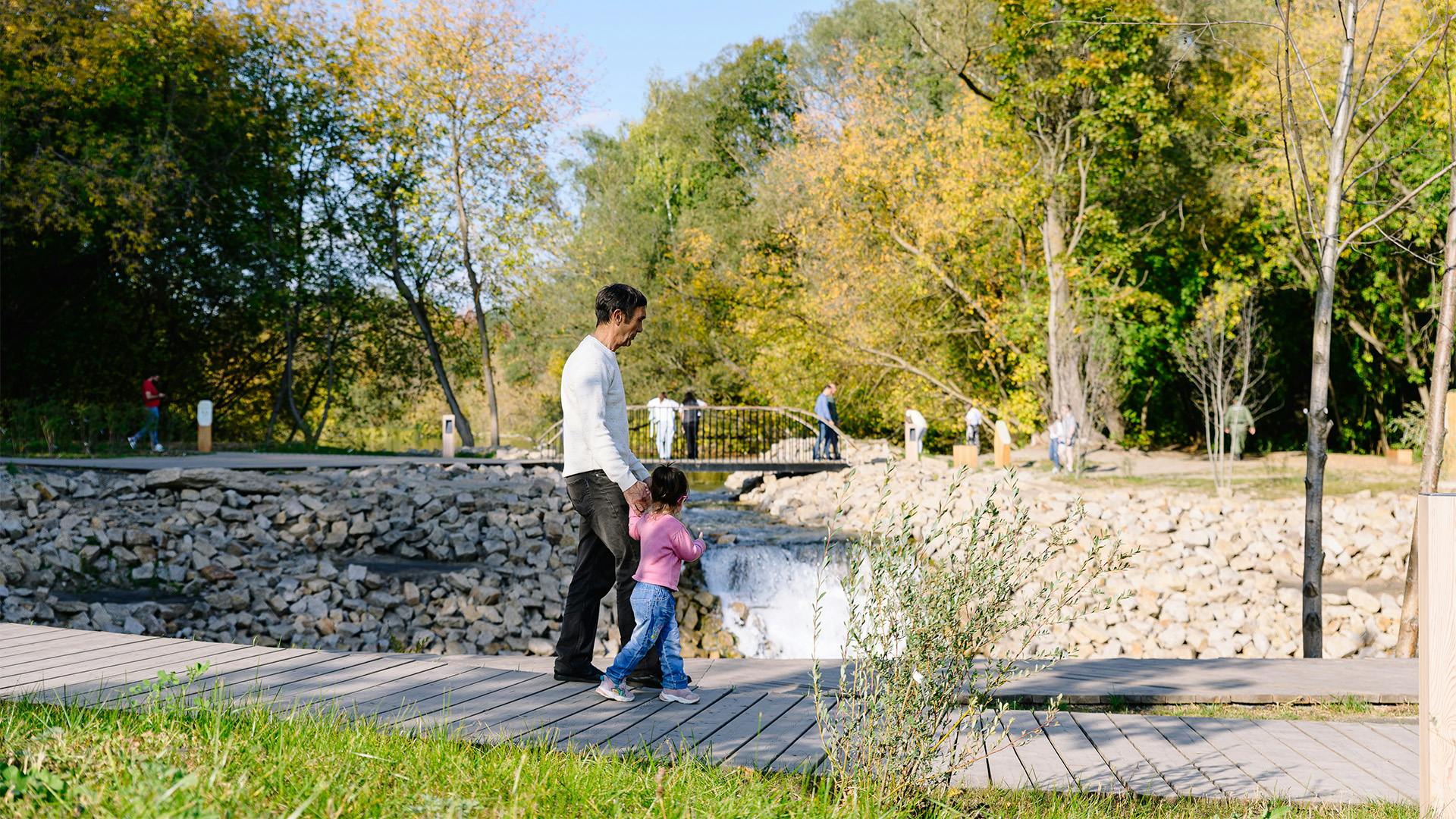
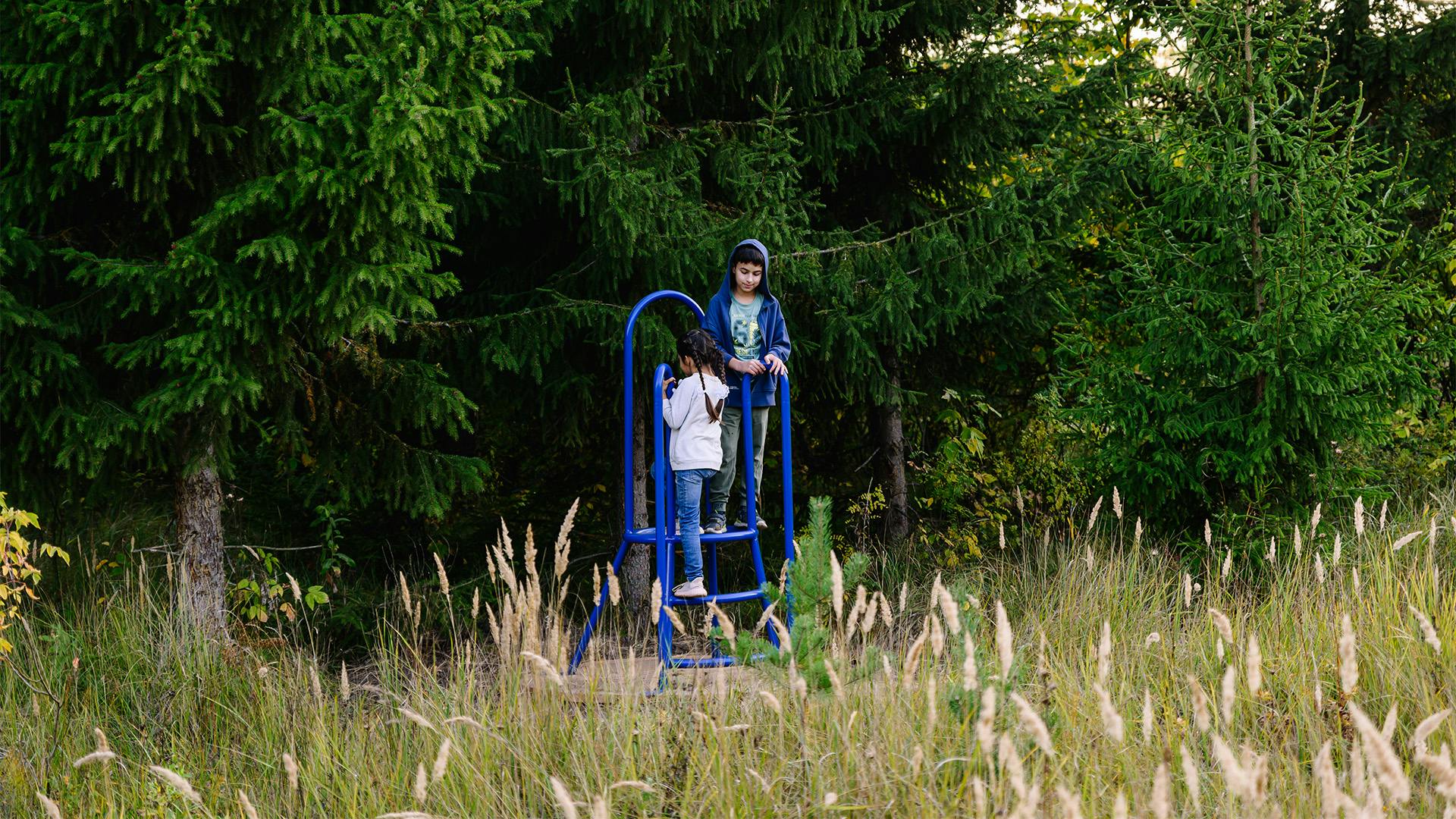
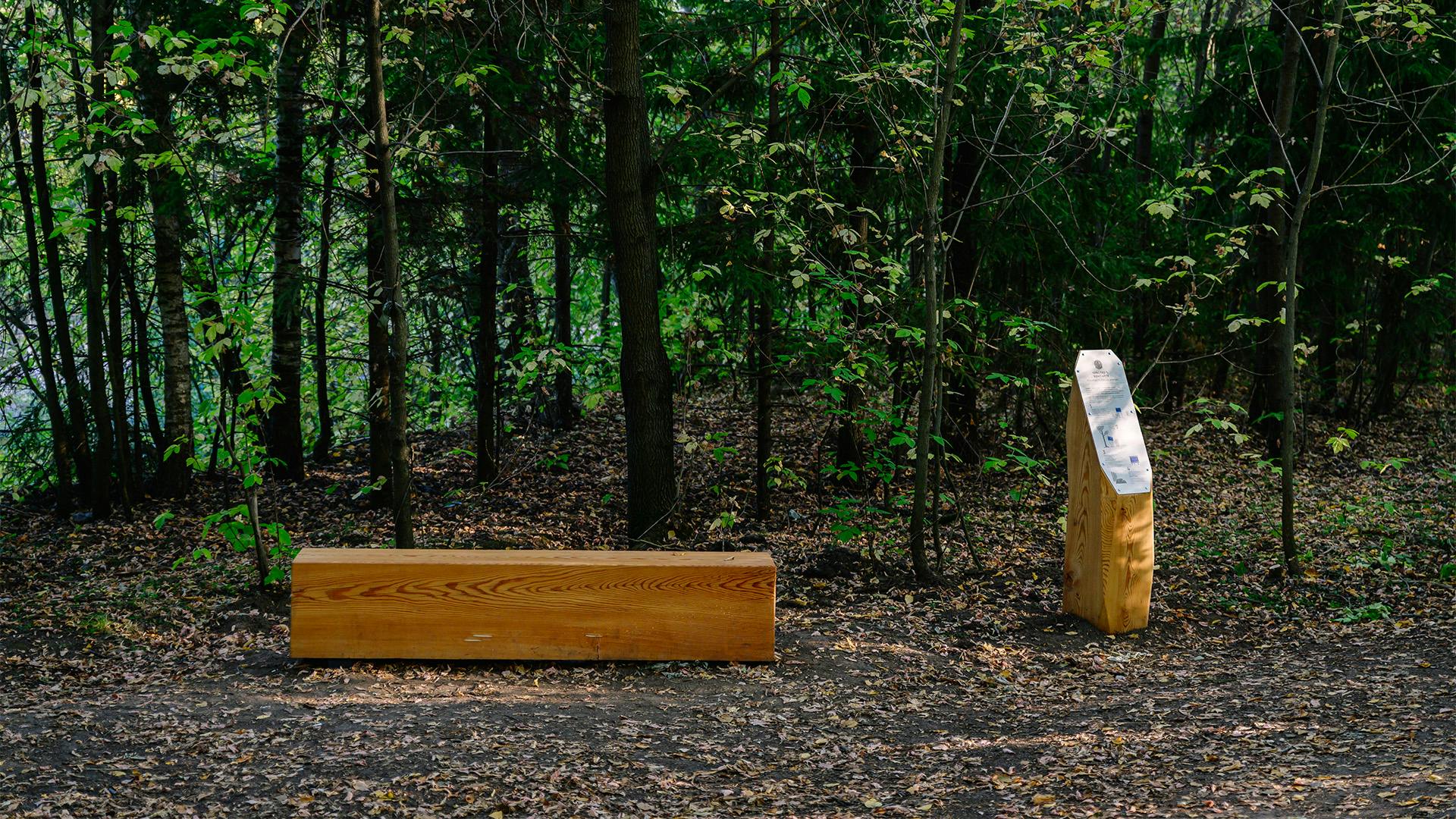
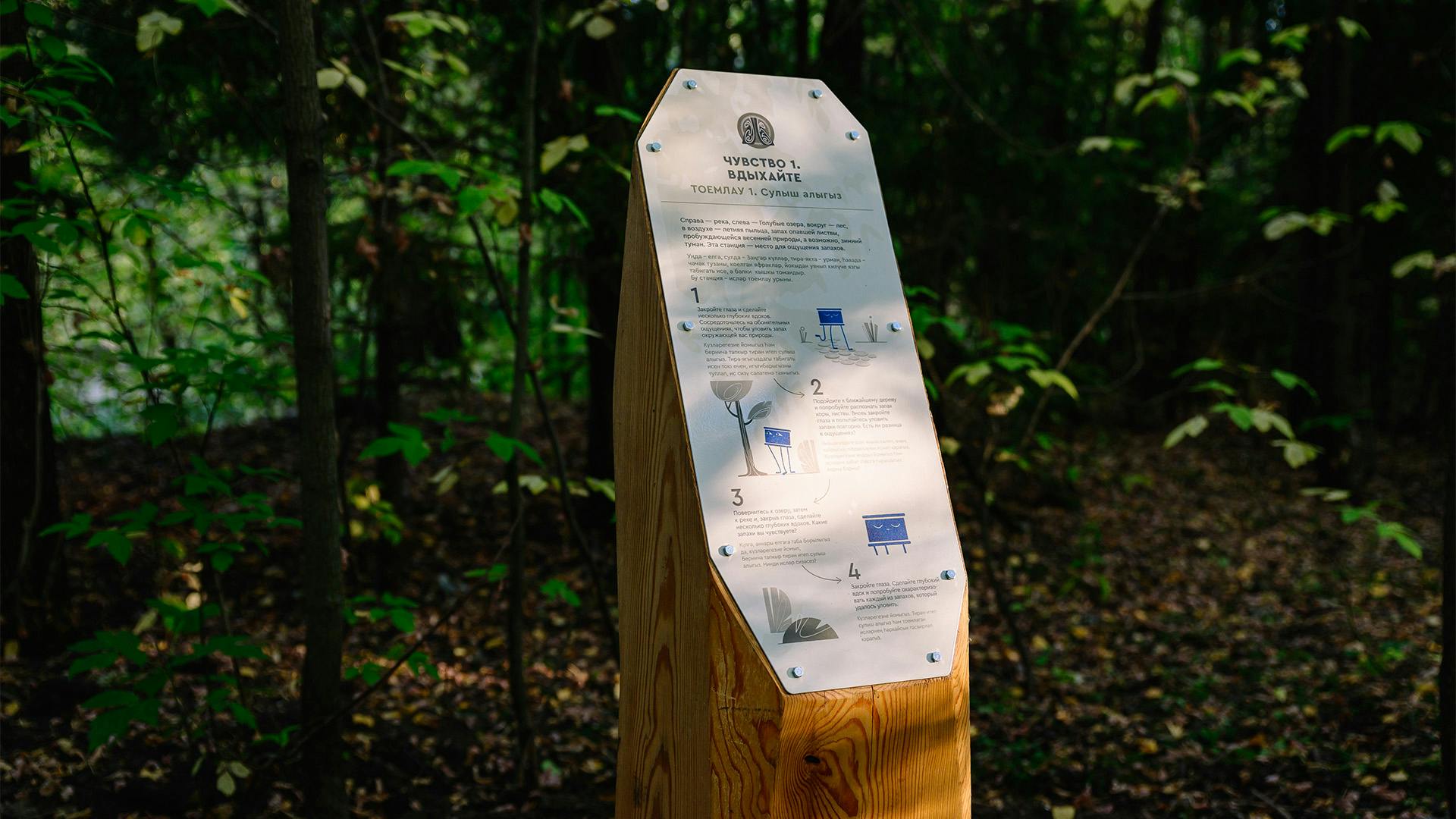
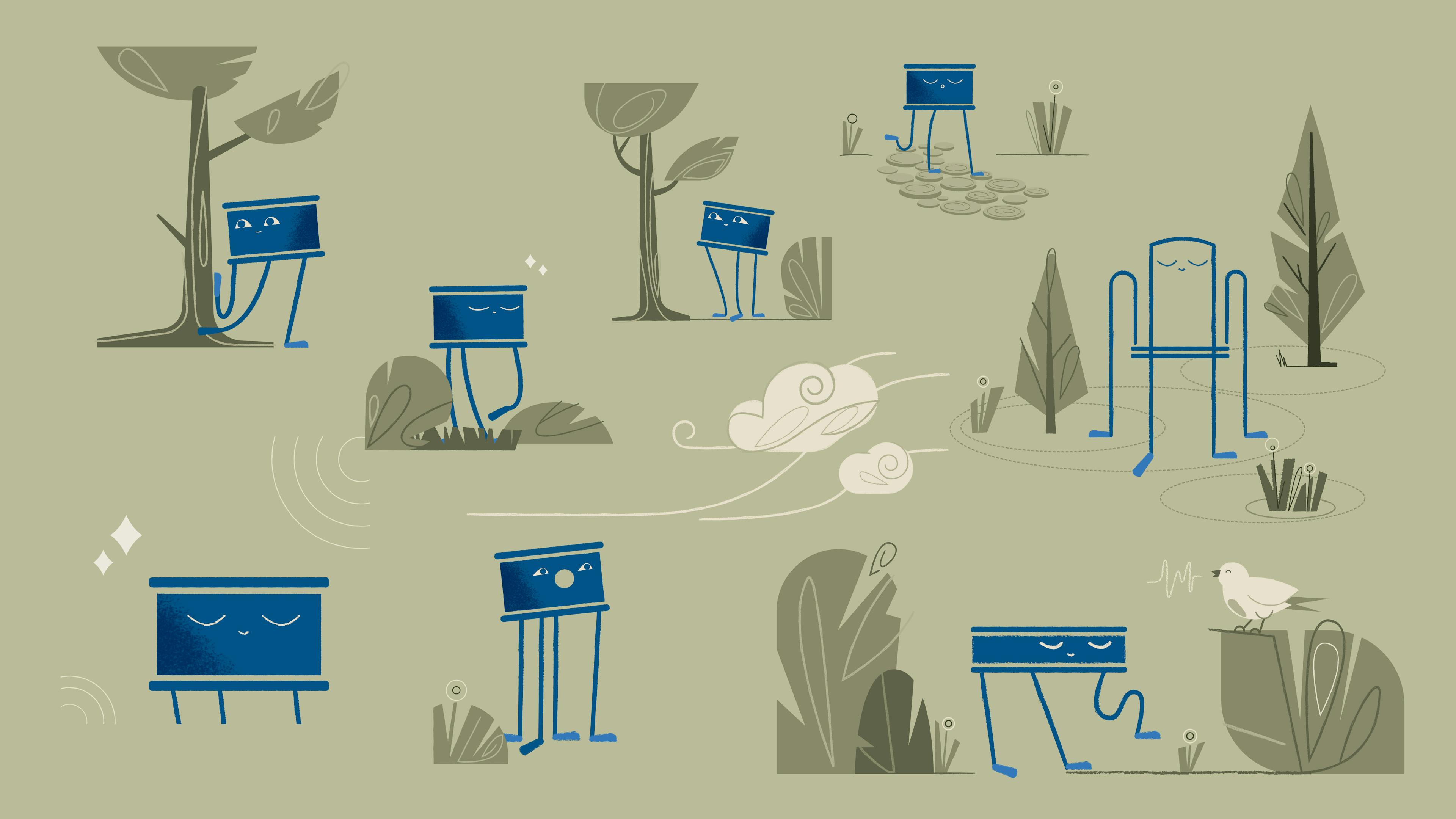
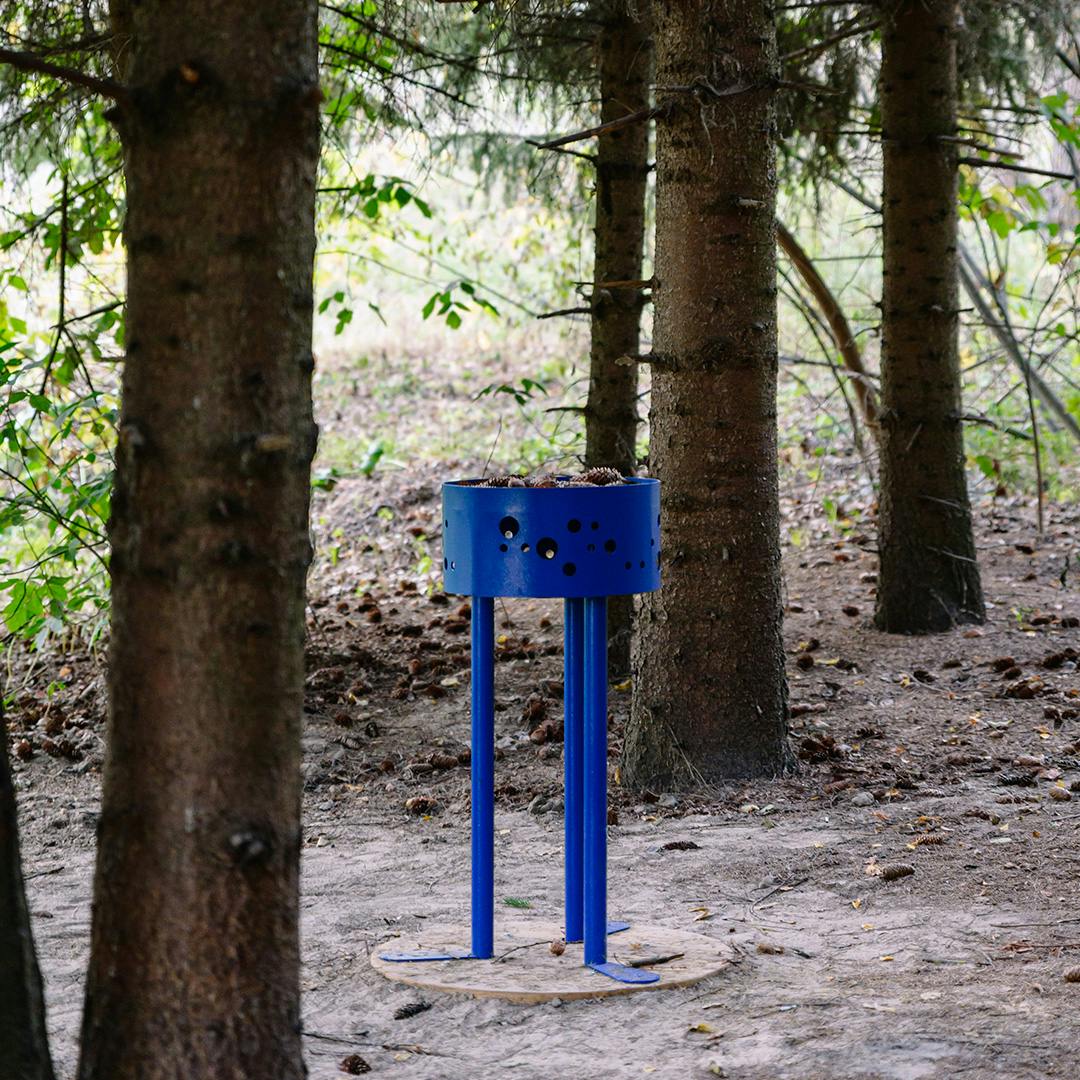
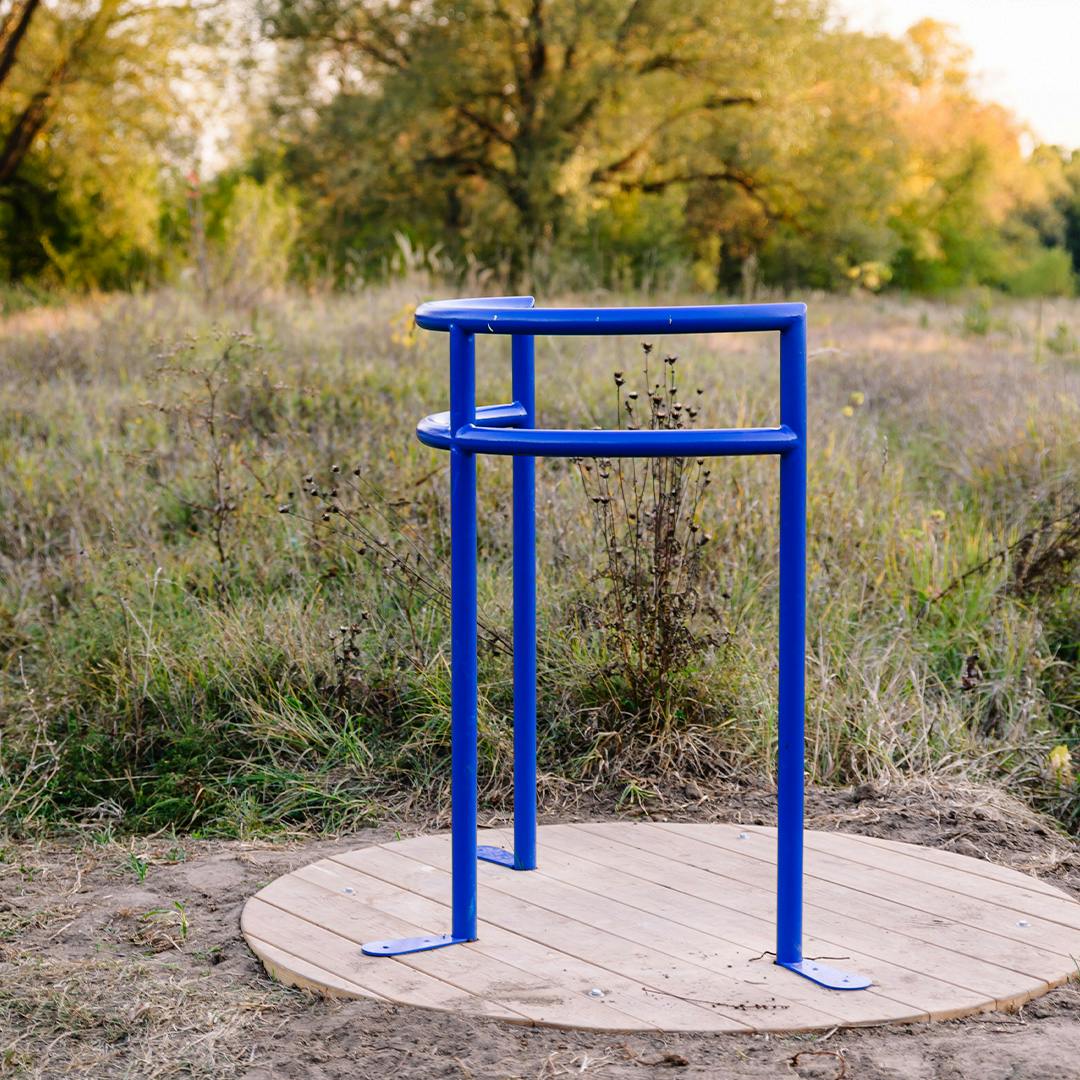
To better manage visitor flow and encourage new forms of exploration, themed walking and cycling trails have been created, highlighting the ecological and historical value of the site. A dedicated trail has also been developed around the emerging practice of ecotherapy. It includes spaces for breathing exercises and meditation, as well as unique placemaking installations, "The Inhabitants of the Forest", designed to invite rest and exploration, and to foster a deep sensory connection with nature by engaging all five senses.
Zones
As part of the project, we proposed dividing the site into three main functional zones, each equipped with the infrastructure necessary for the cluster's operation and offering various activity scenarios.
An "entry point" zone, which limits motor vehicle access, serves as a checkpoint for visitors, acts as the starting point for walking and cycling routes, and includes a waste collection area.
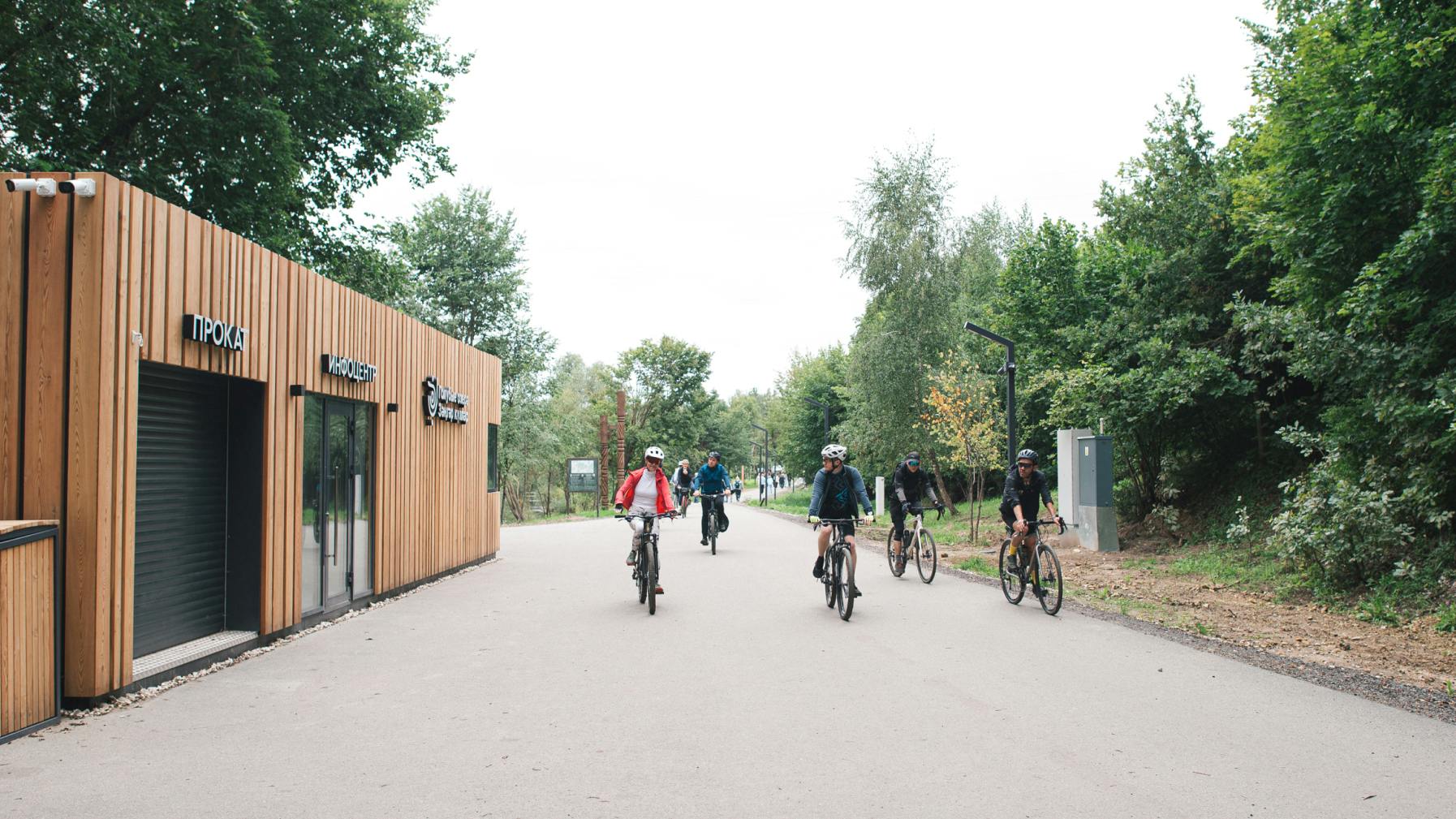
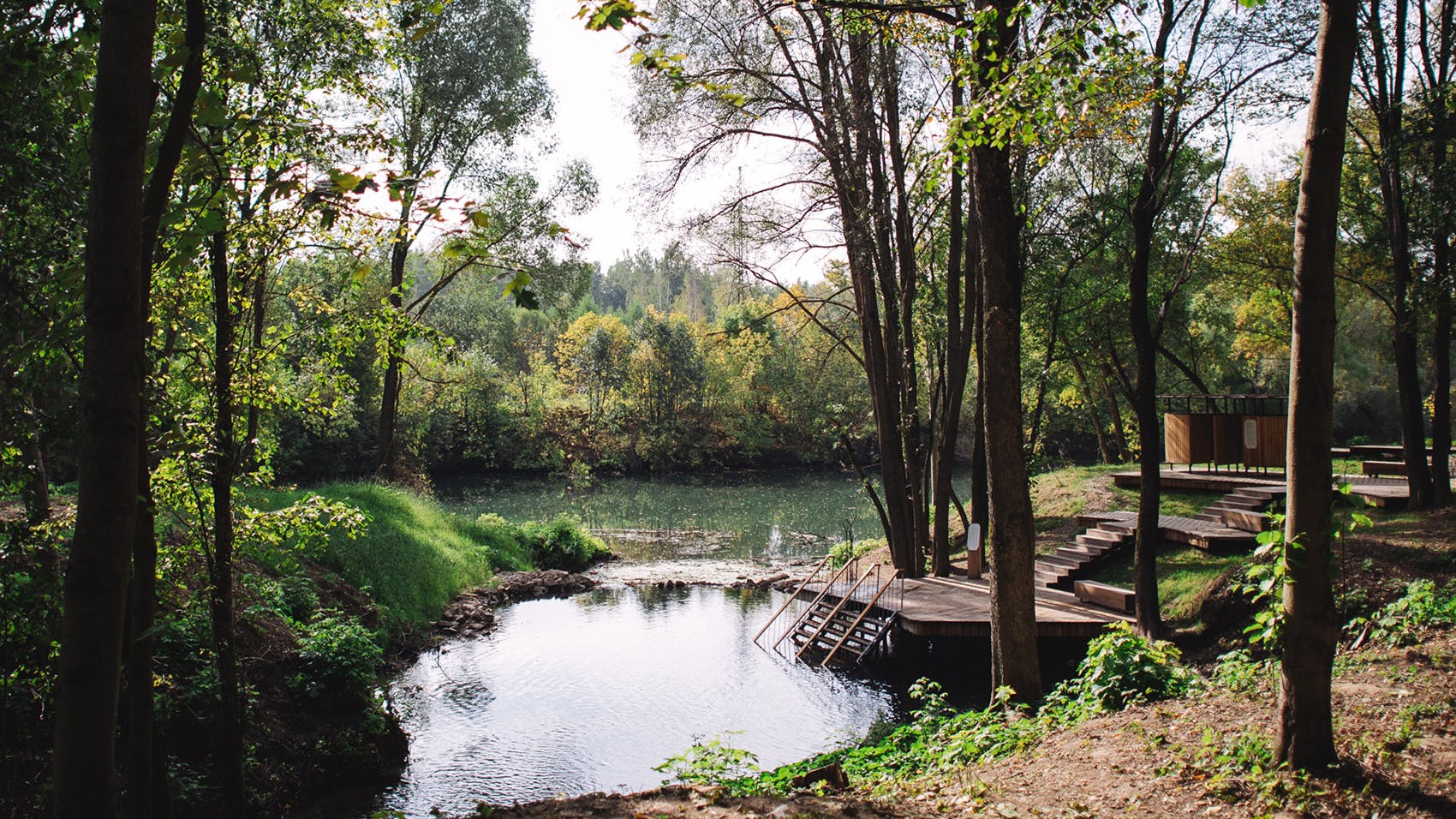
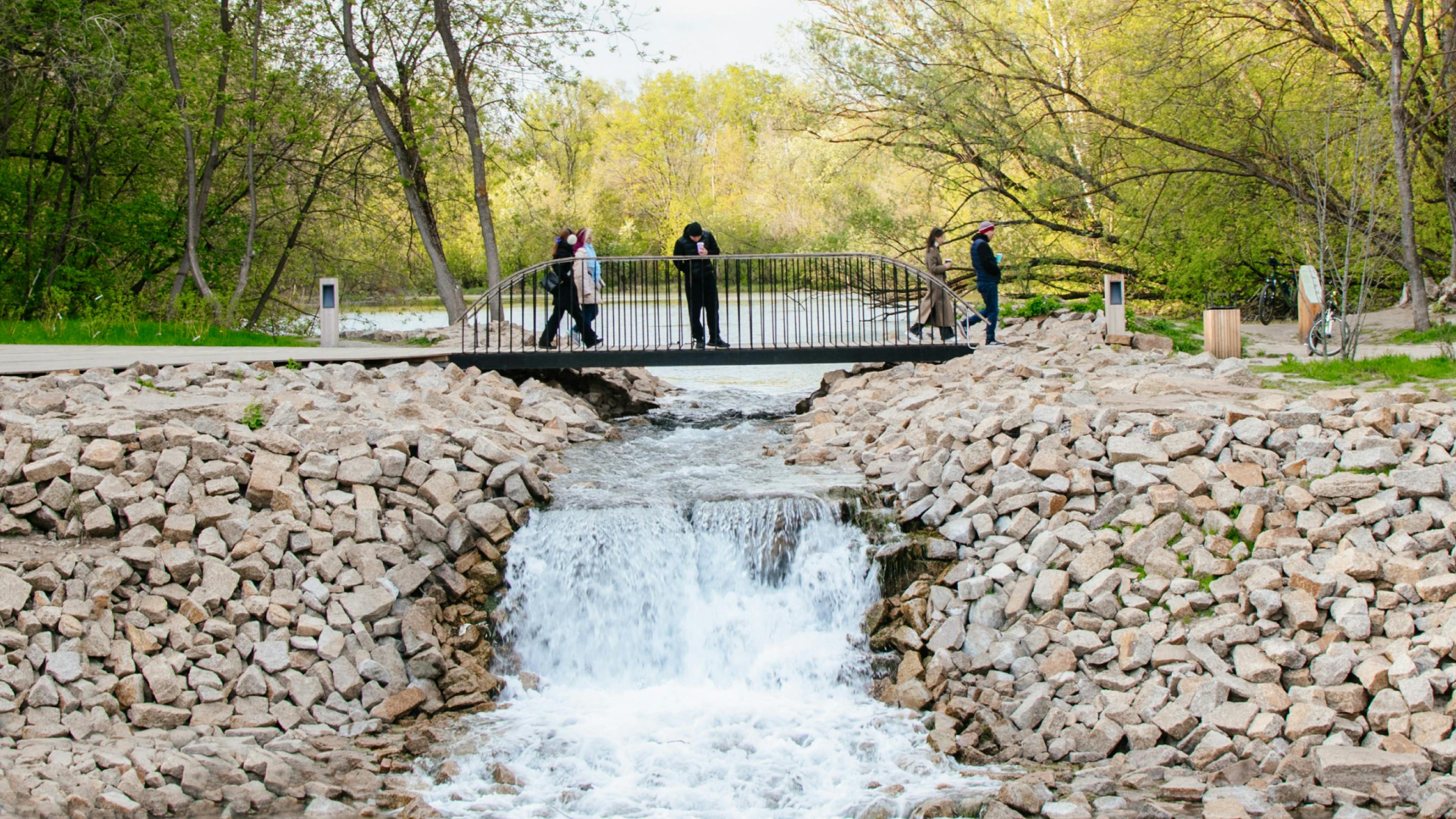
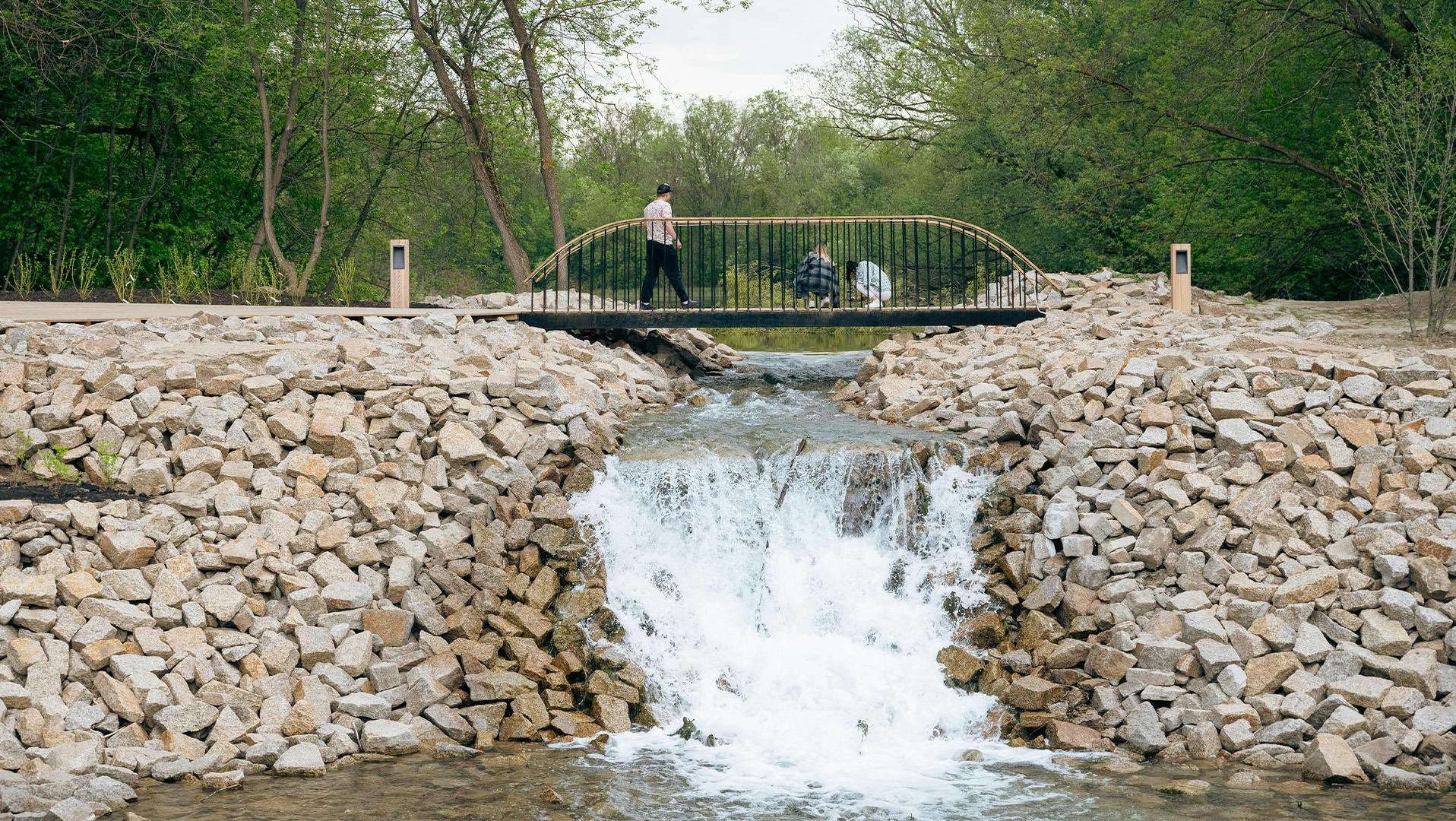
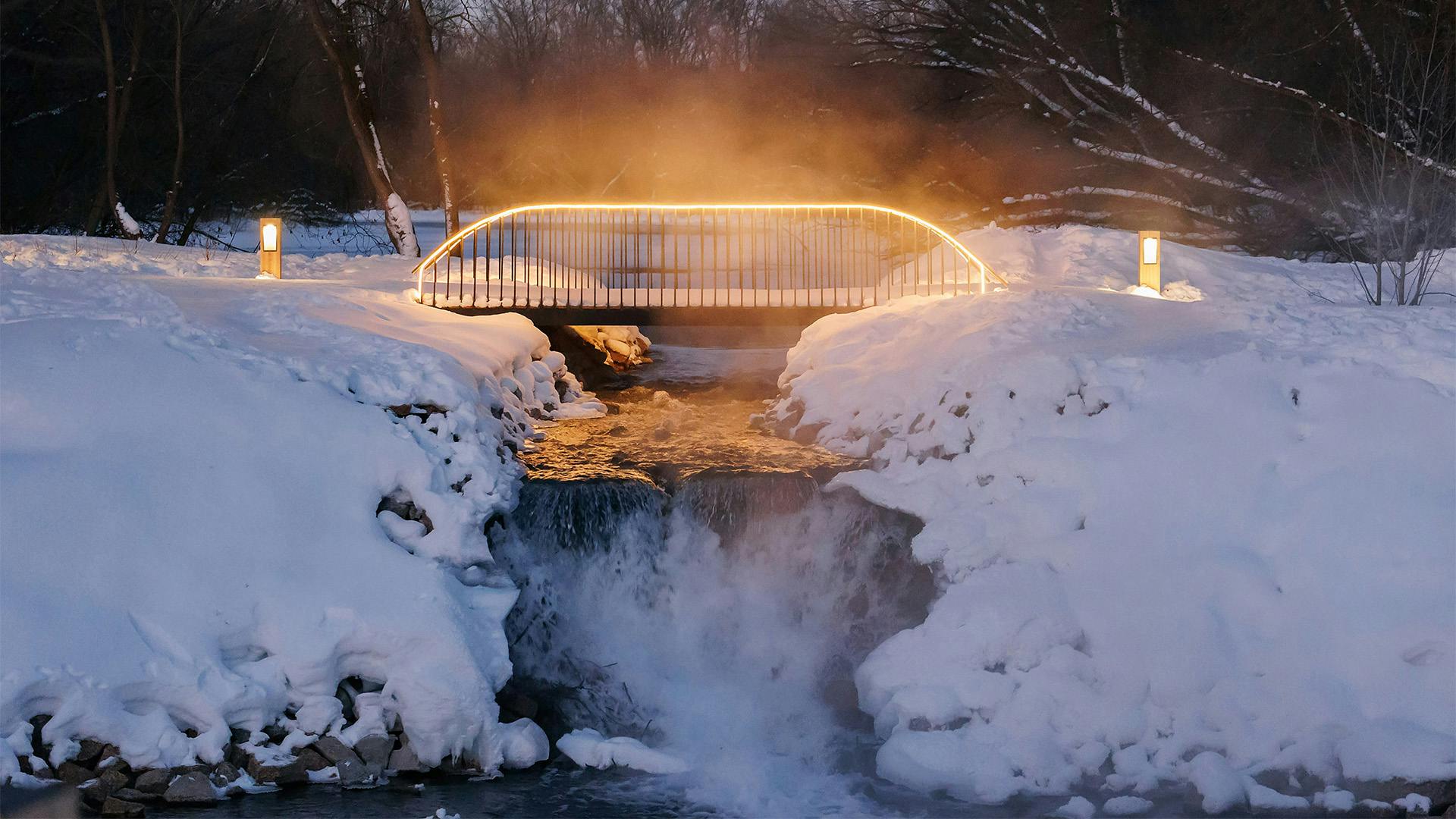
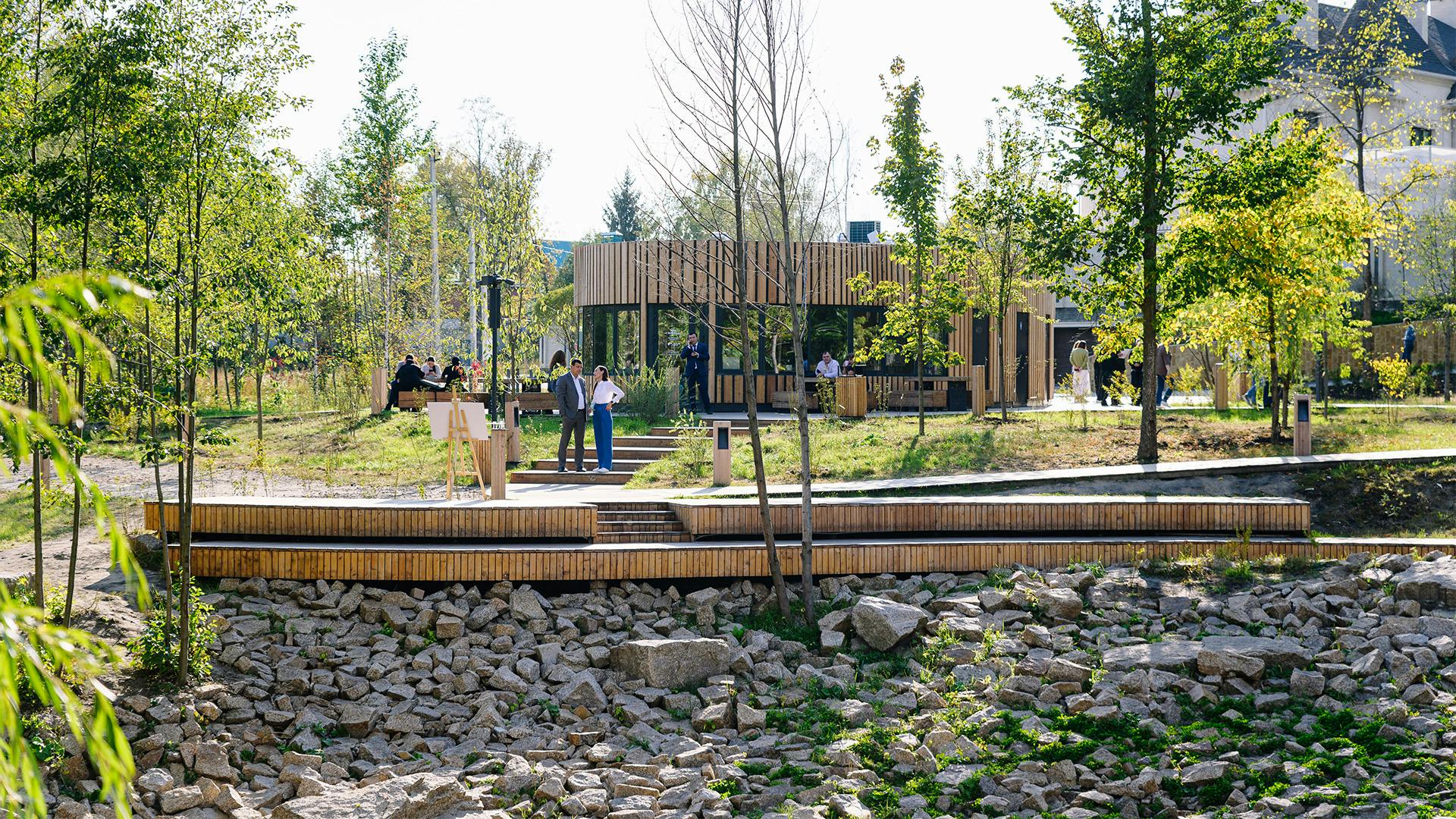
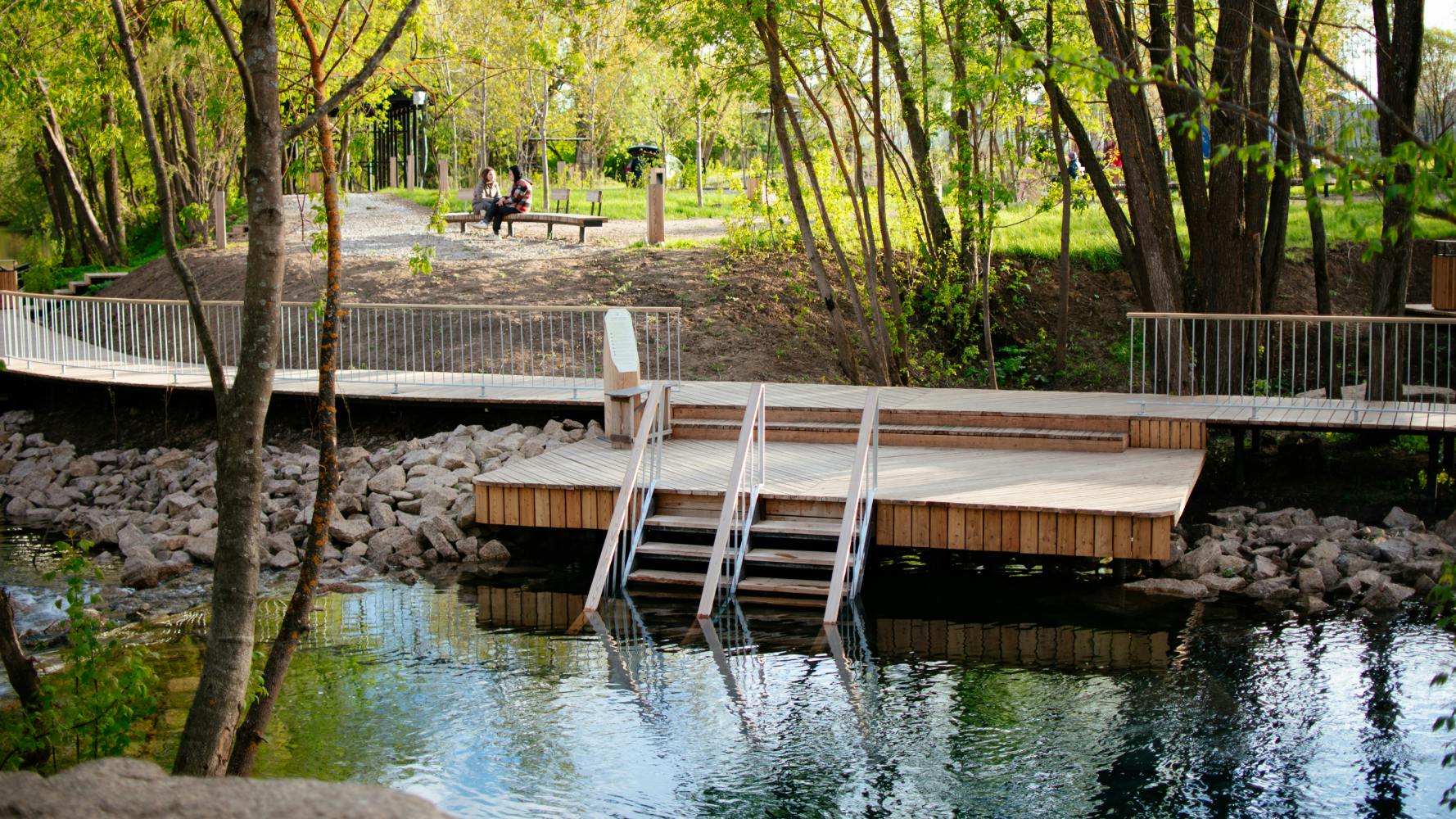
A relaxation zone near the waterfall, which brings together the cluster’s main facilities: an eco-center with a café and event space, rest areas with picnic-style furniture, an amphitheater with a scenic overlook, a dock, a small footbridge, and a nautical base. New swimming areas with piers are also planned where the lakes flow into the river.
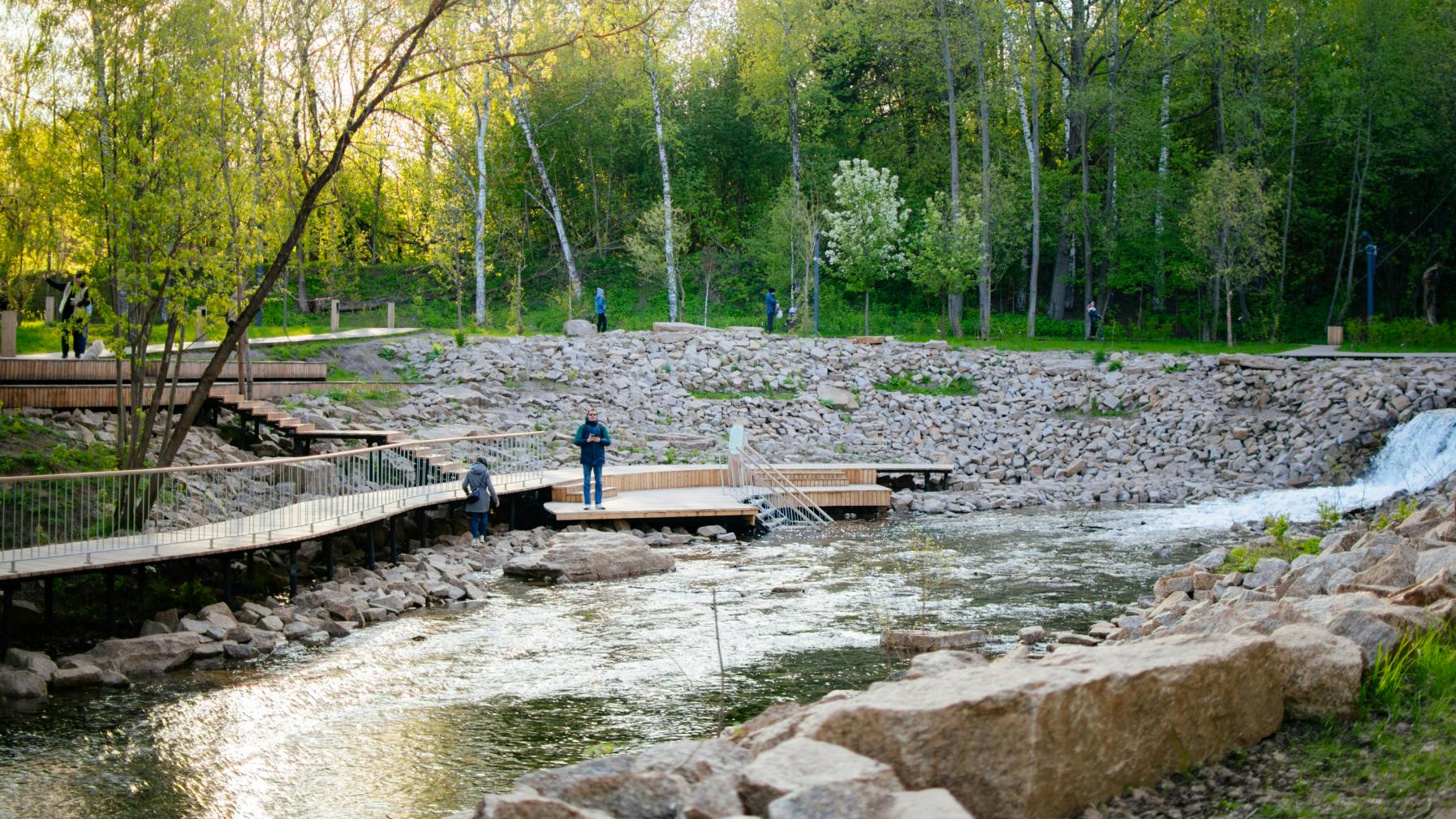
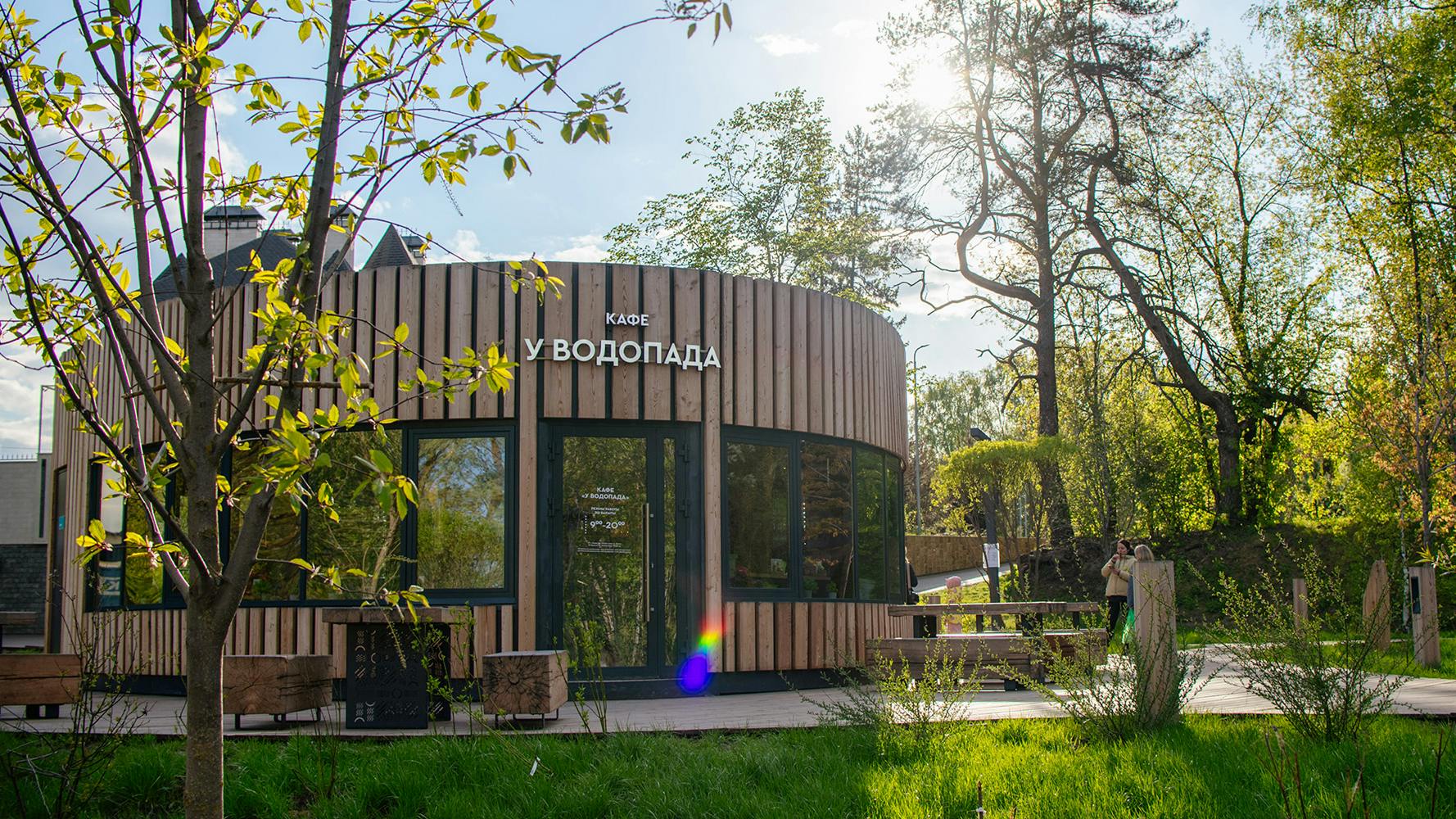
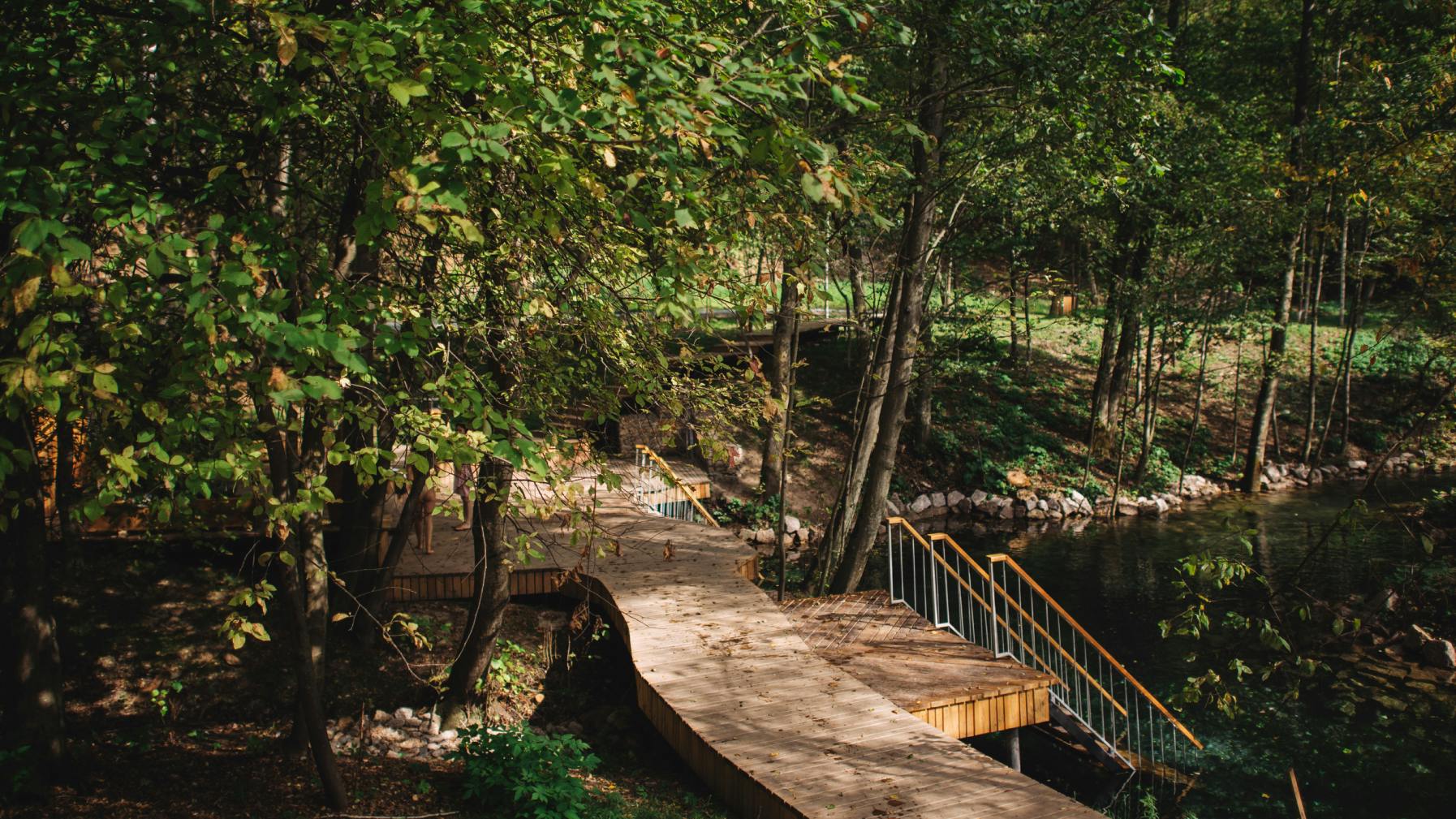
A forested zone, with newly developed trails, platforms by the water, and placemaking installations focused on ecotherapy practices.
Invisible infrastructure
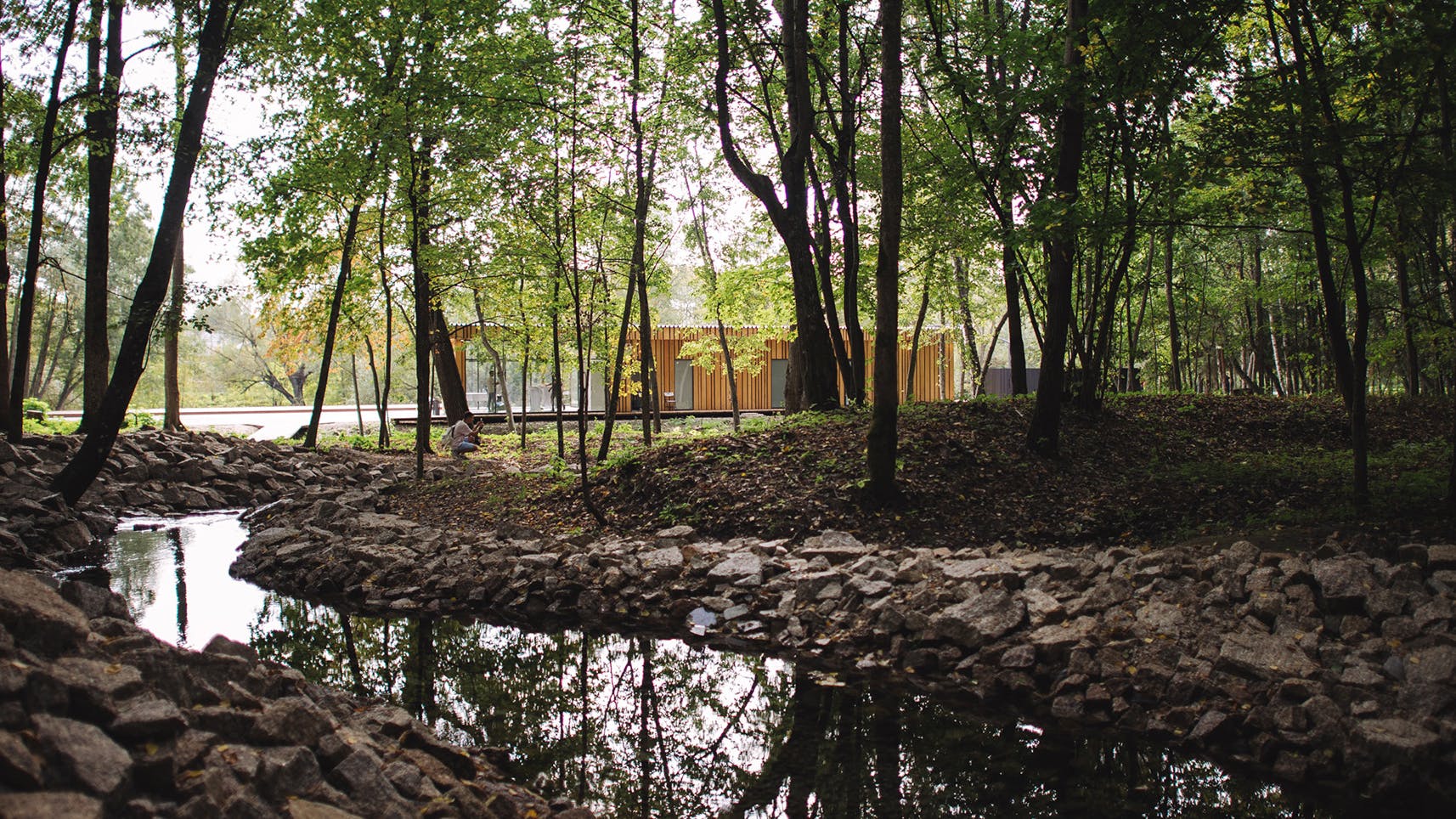
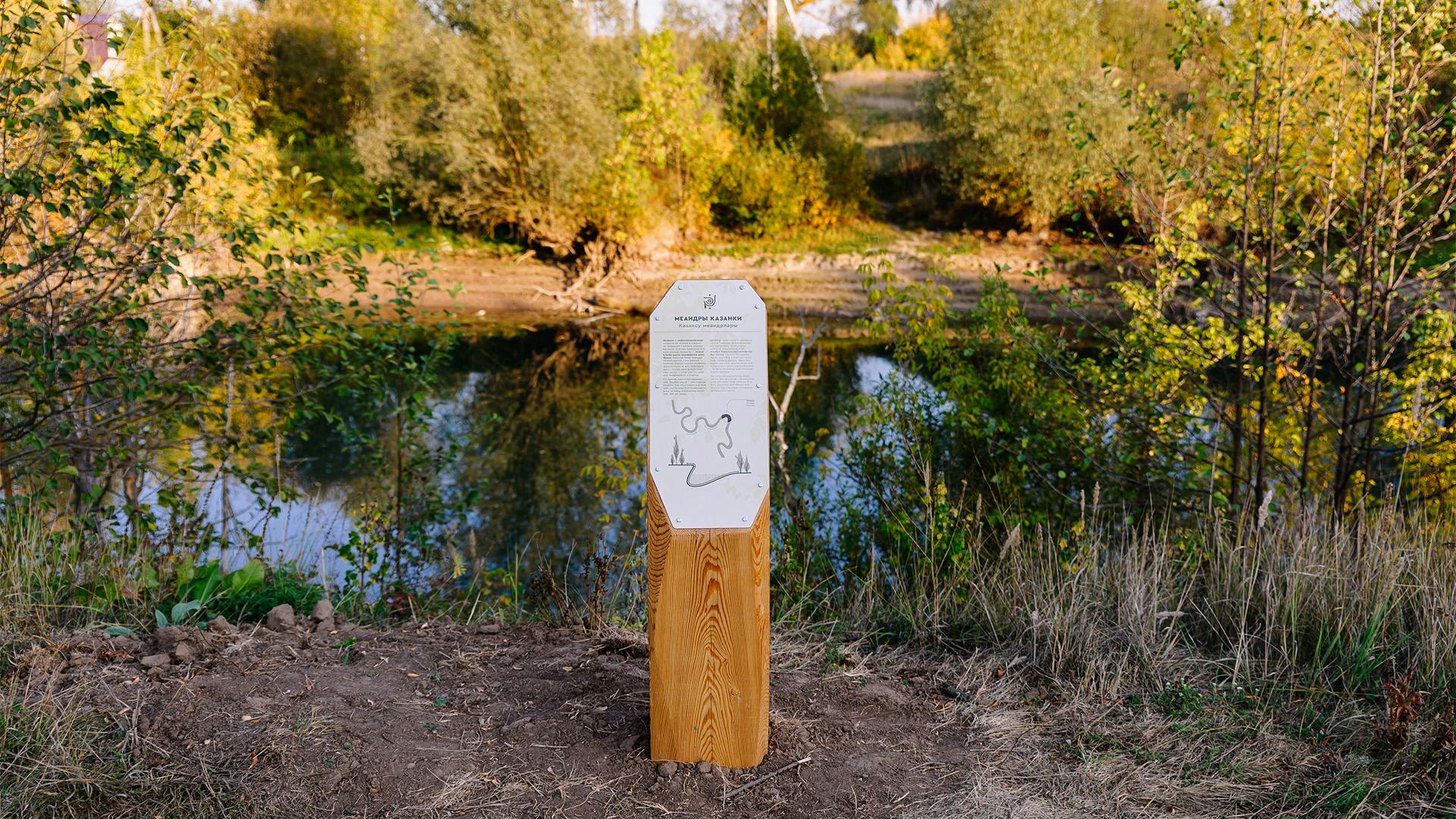
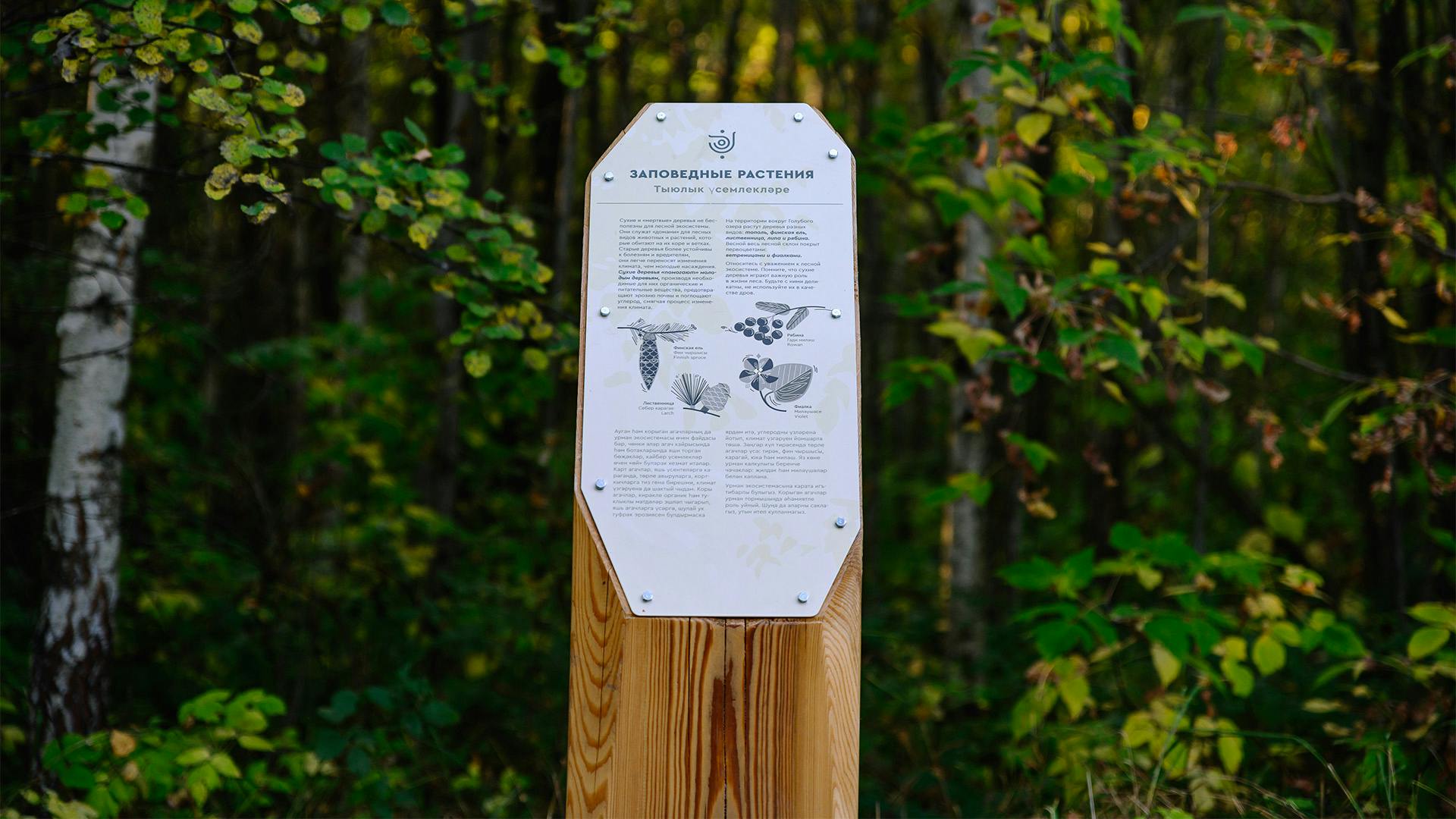
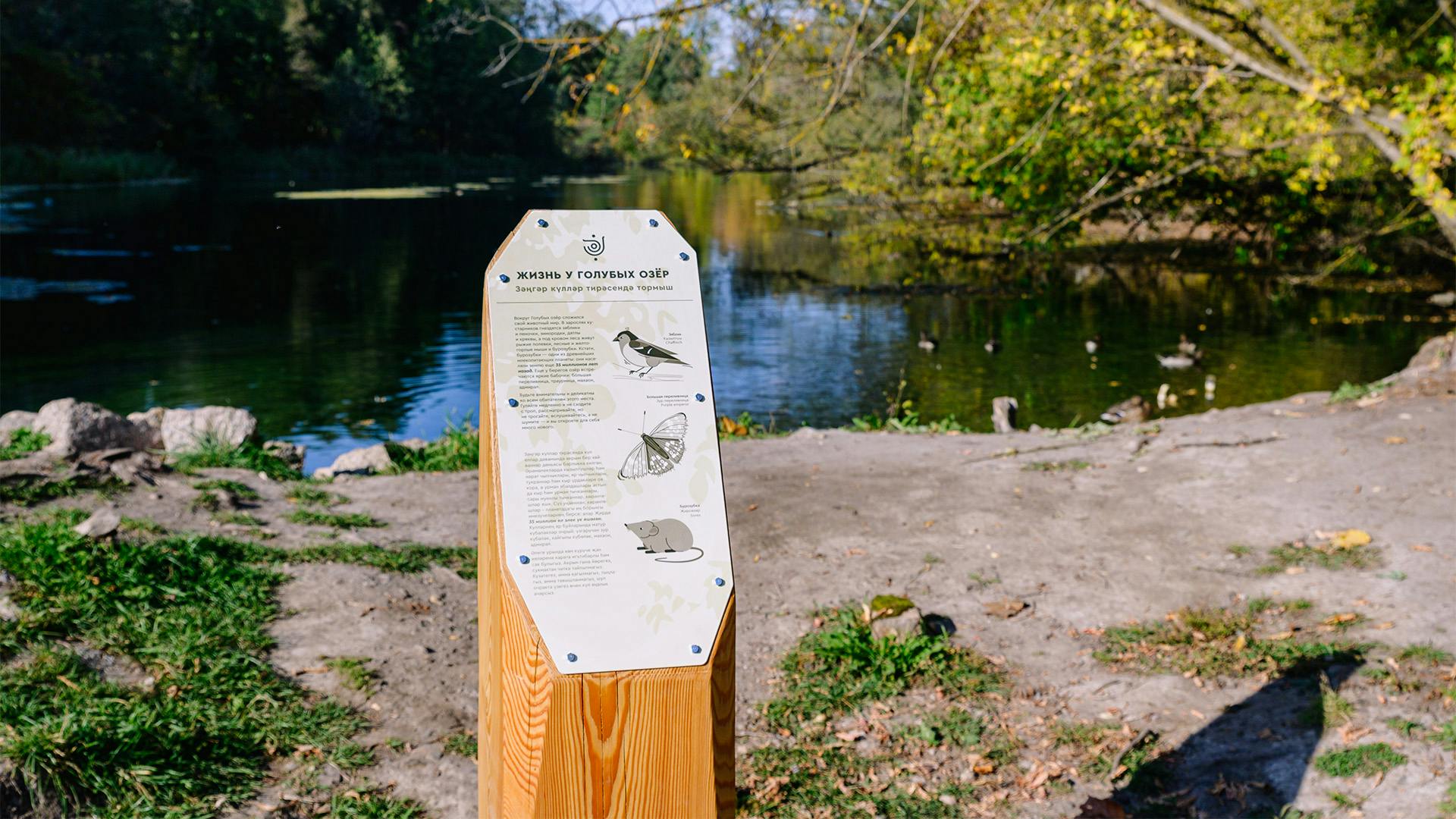
The project is based on the concept of invisible infrastructure, featuring minimalist design, seamlessly integrated into the landscape and made from natural materials.