Kazanka River Development Strategy
An ecological and physical continuity
The core mission of the project is to create Russia's first national river park. 12 new parks will gradually be developed on currently neglected areas, forming a sustainable ecosystem along the river and serving as a driver for an ecotourism-based economy.
The strategy brings together the riverfront territories around shared values, while also highlighting the unique identity of each area through park names, functions, cultural programming, and distinctive design elements. A dedicated visual identity has been developed for the project — a clear and coherent graphic code that ensures a unified perception of the entire territory, as well as a strong editorial line for all communication materials.
The transformation of the area is based on 7 key principles, each accompanied by a series of concrete actions to be implemented.
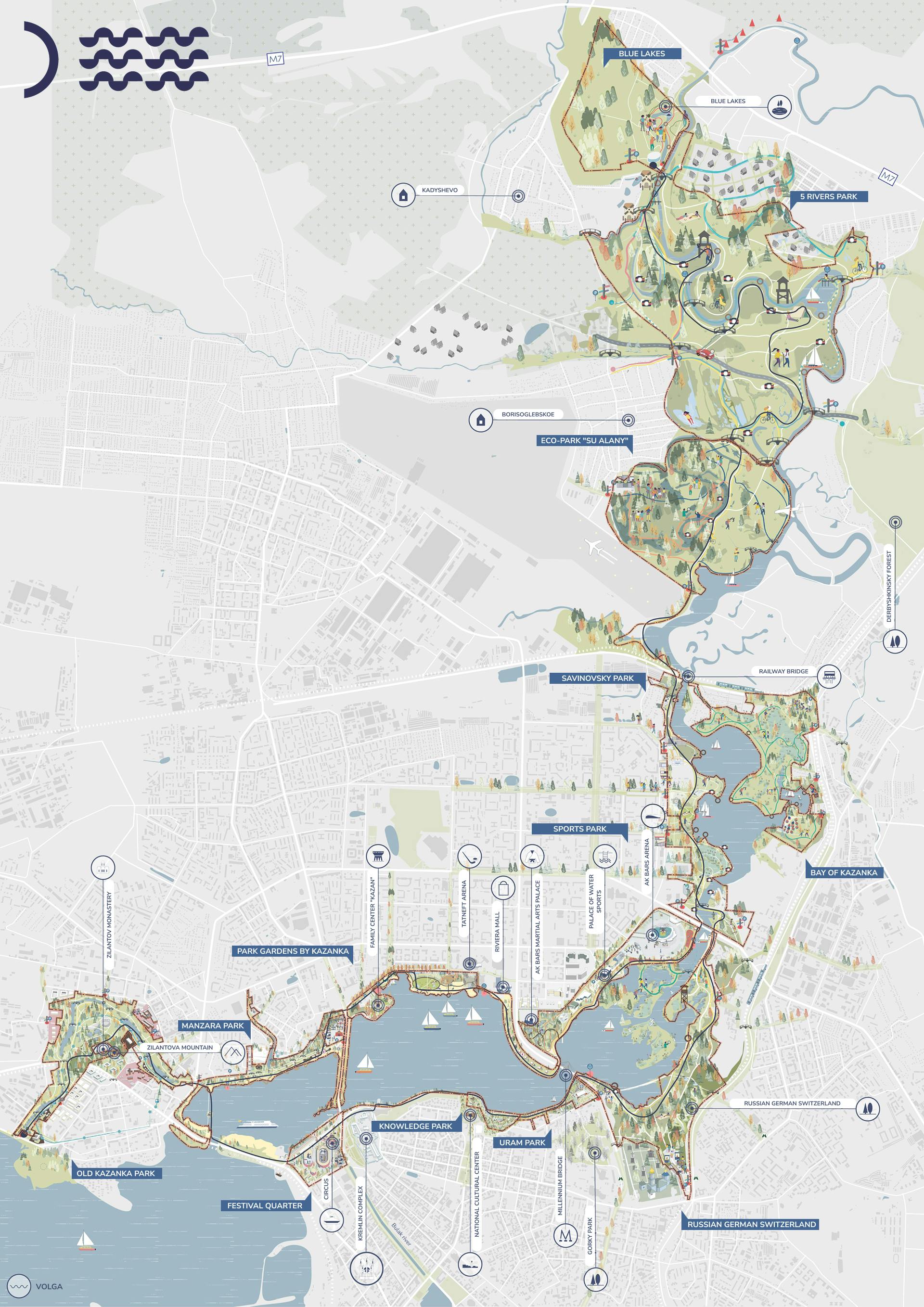
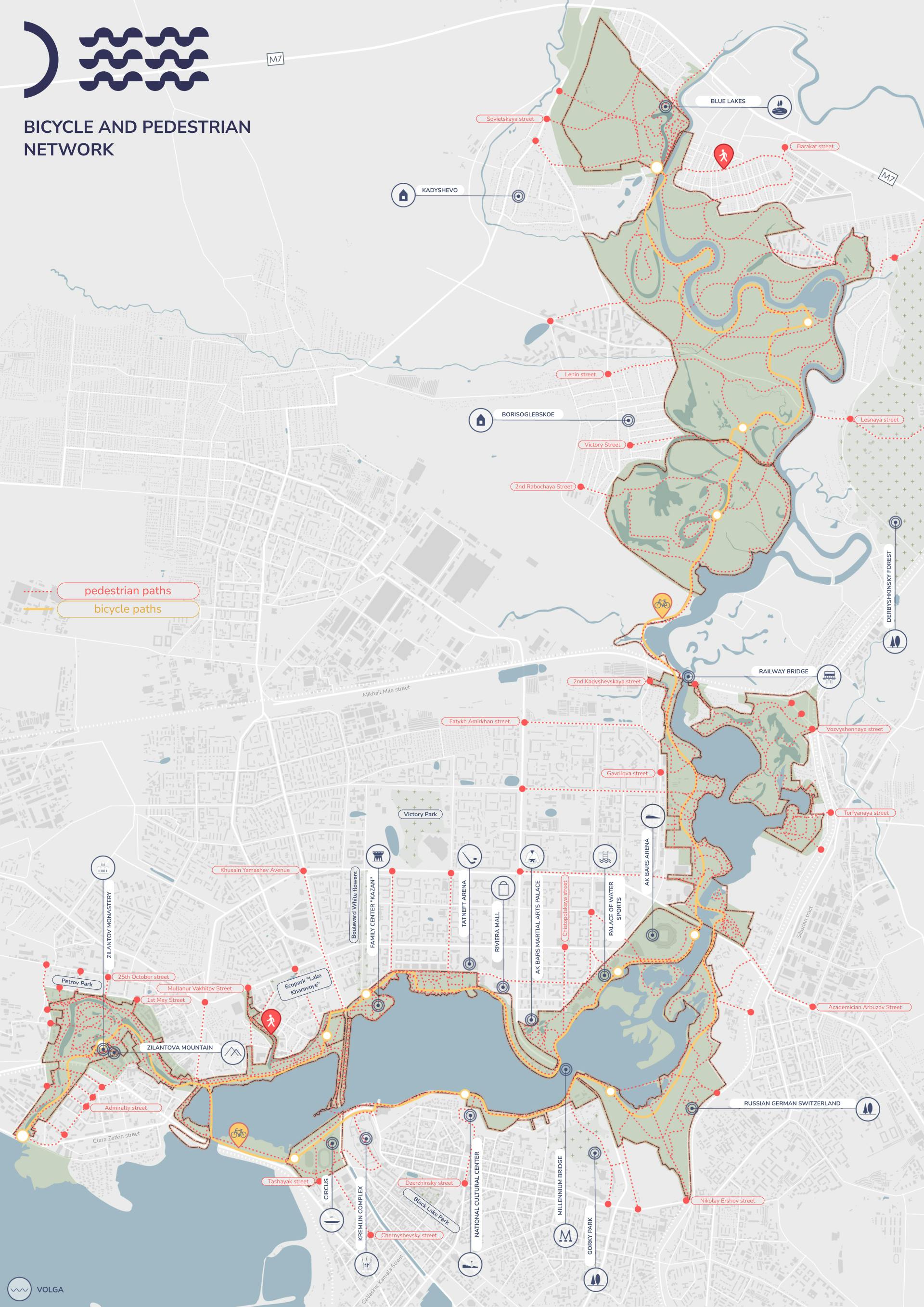
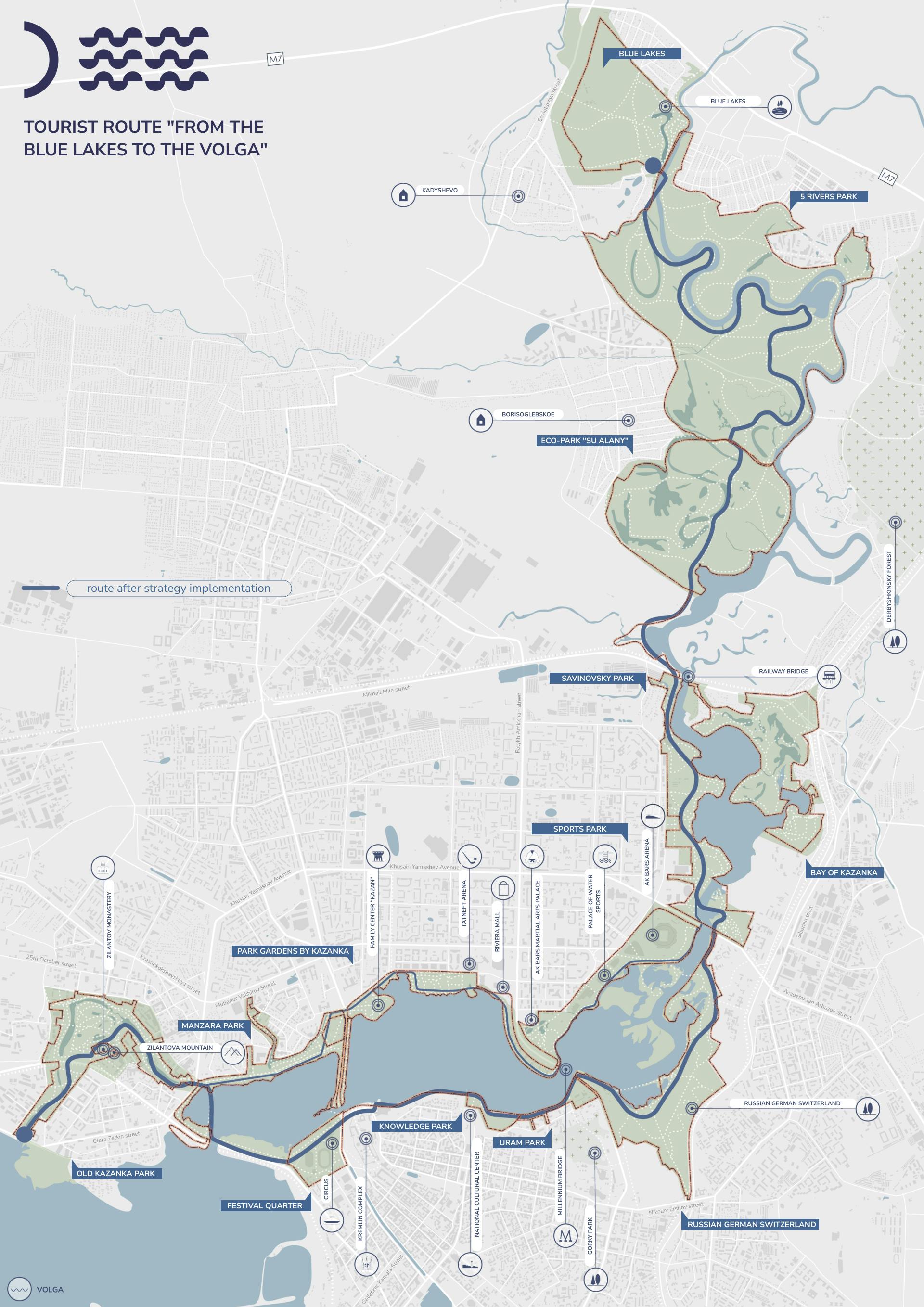
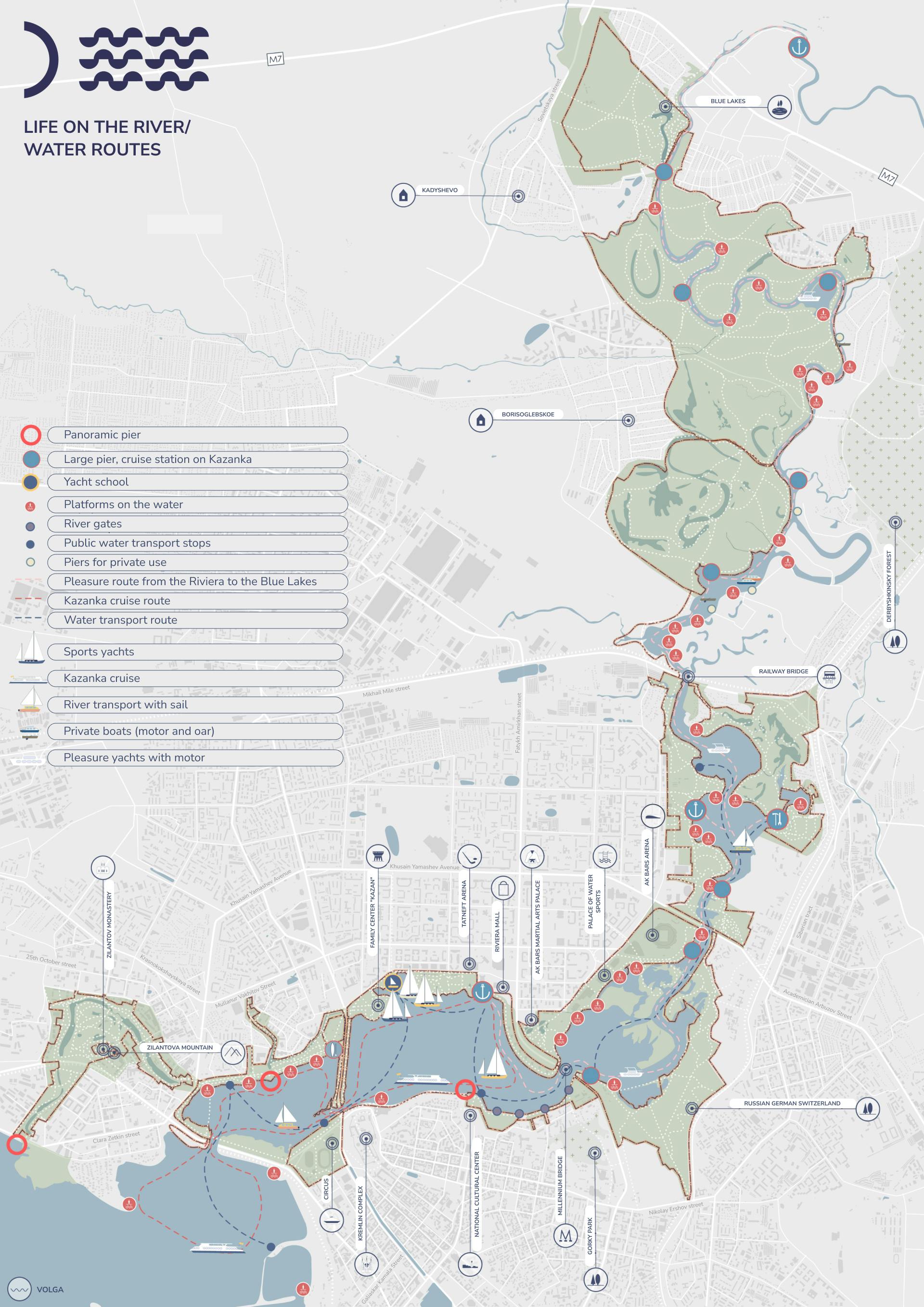
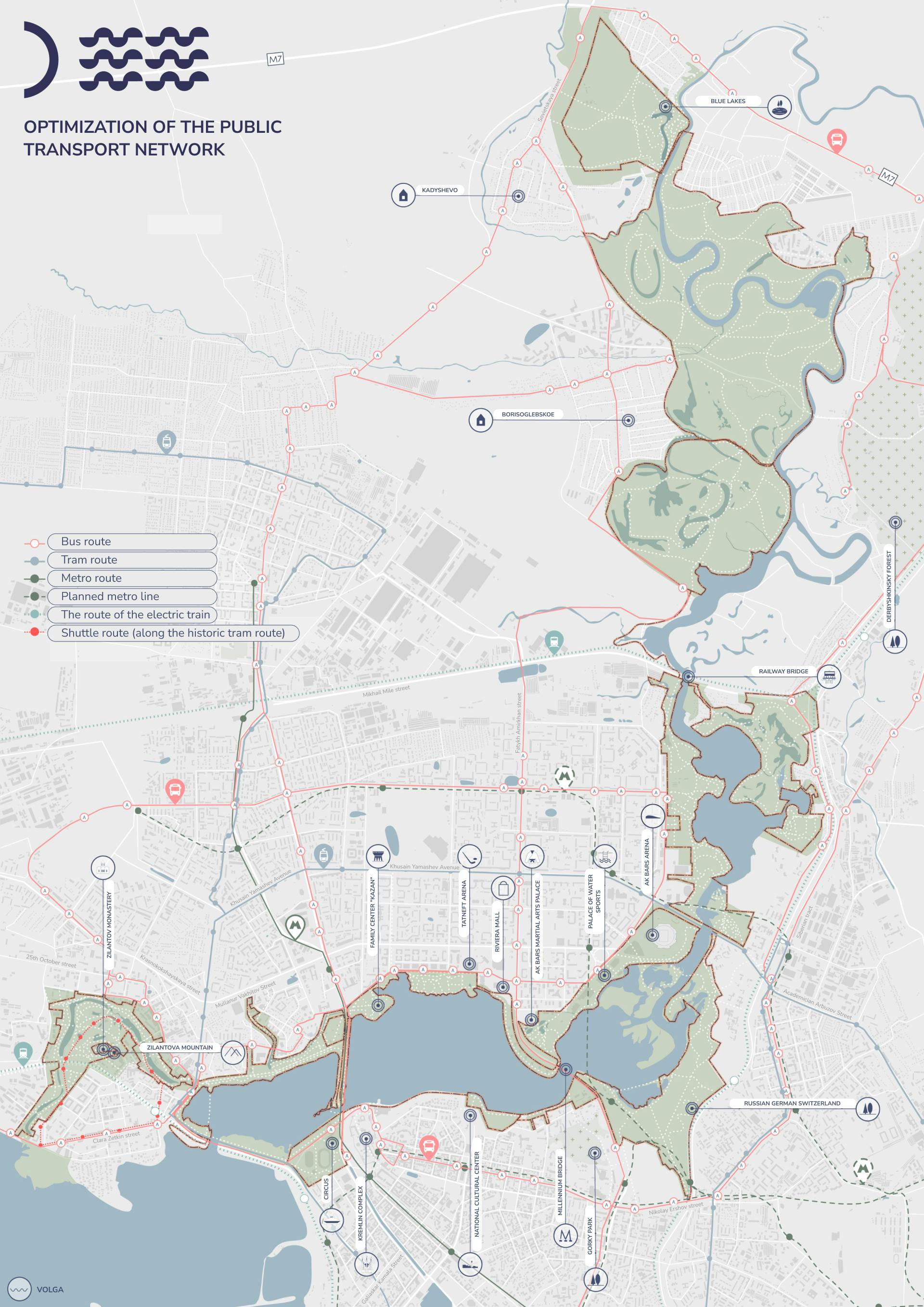
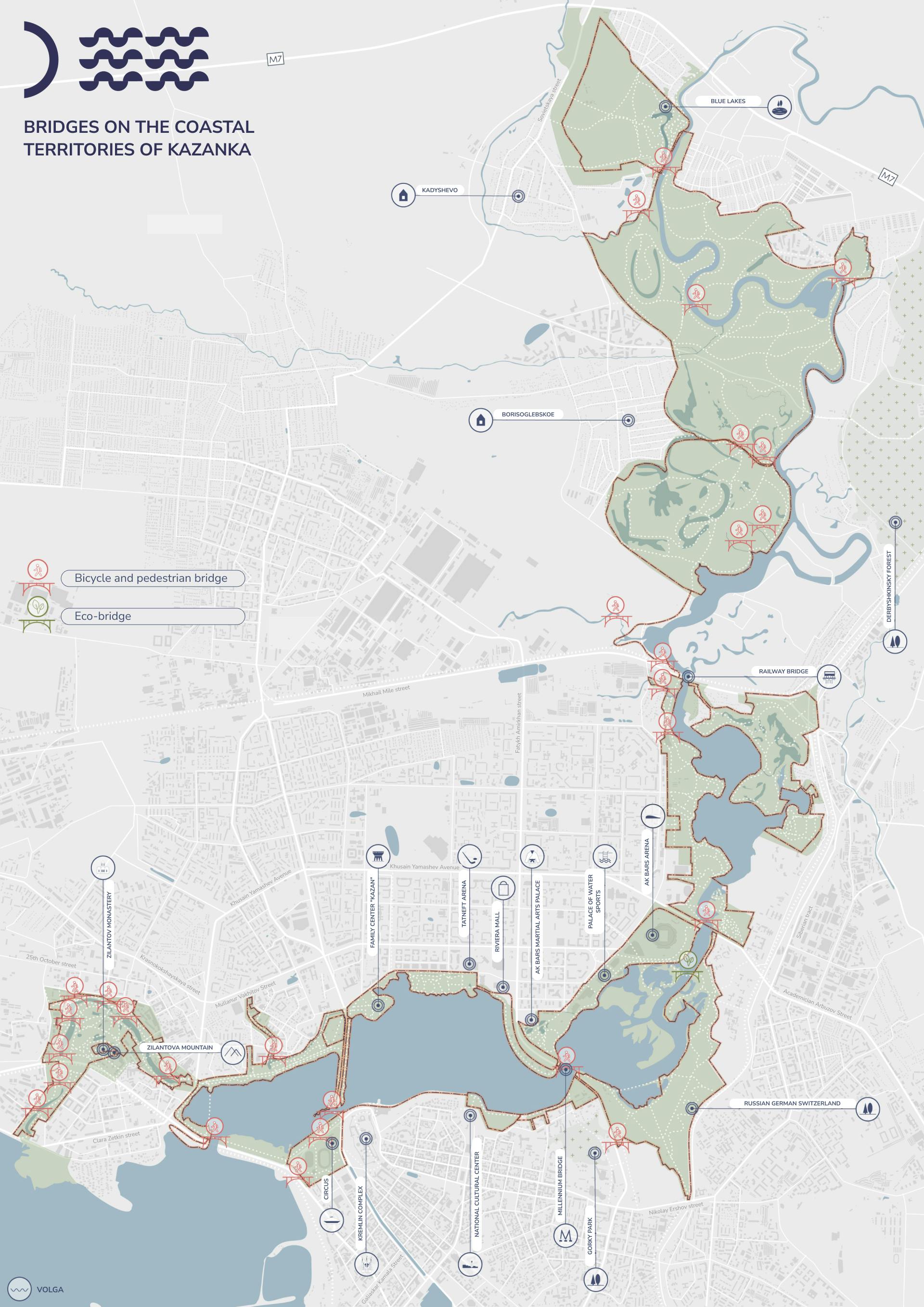
1. The routes
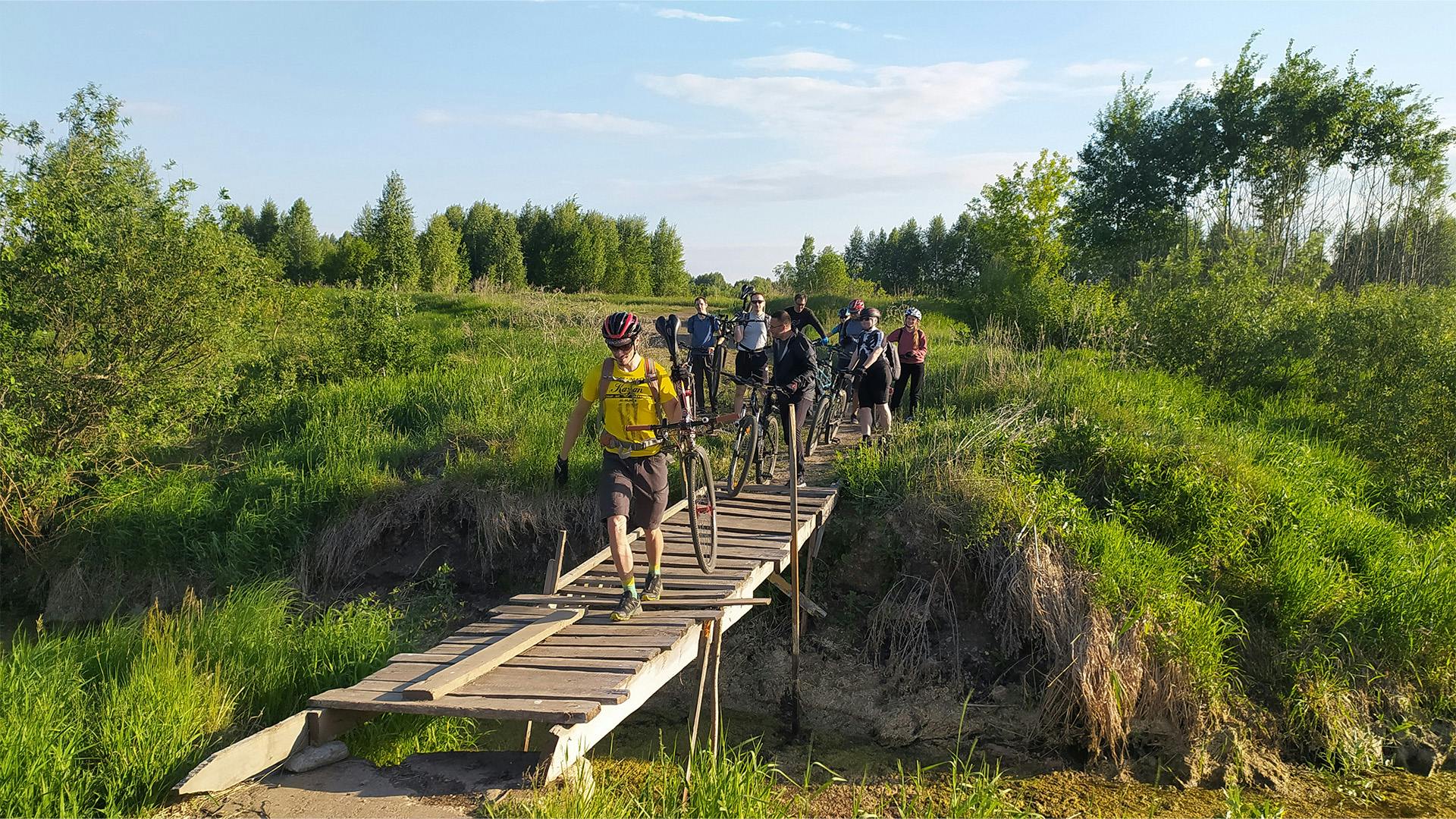
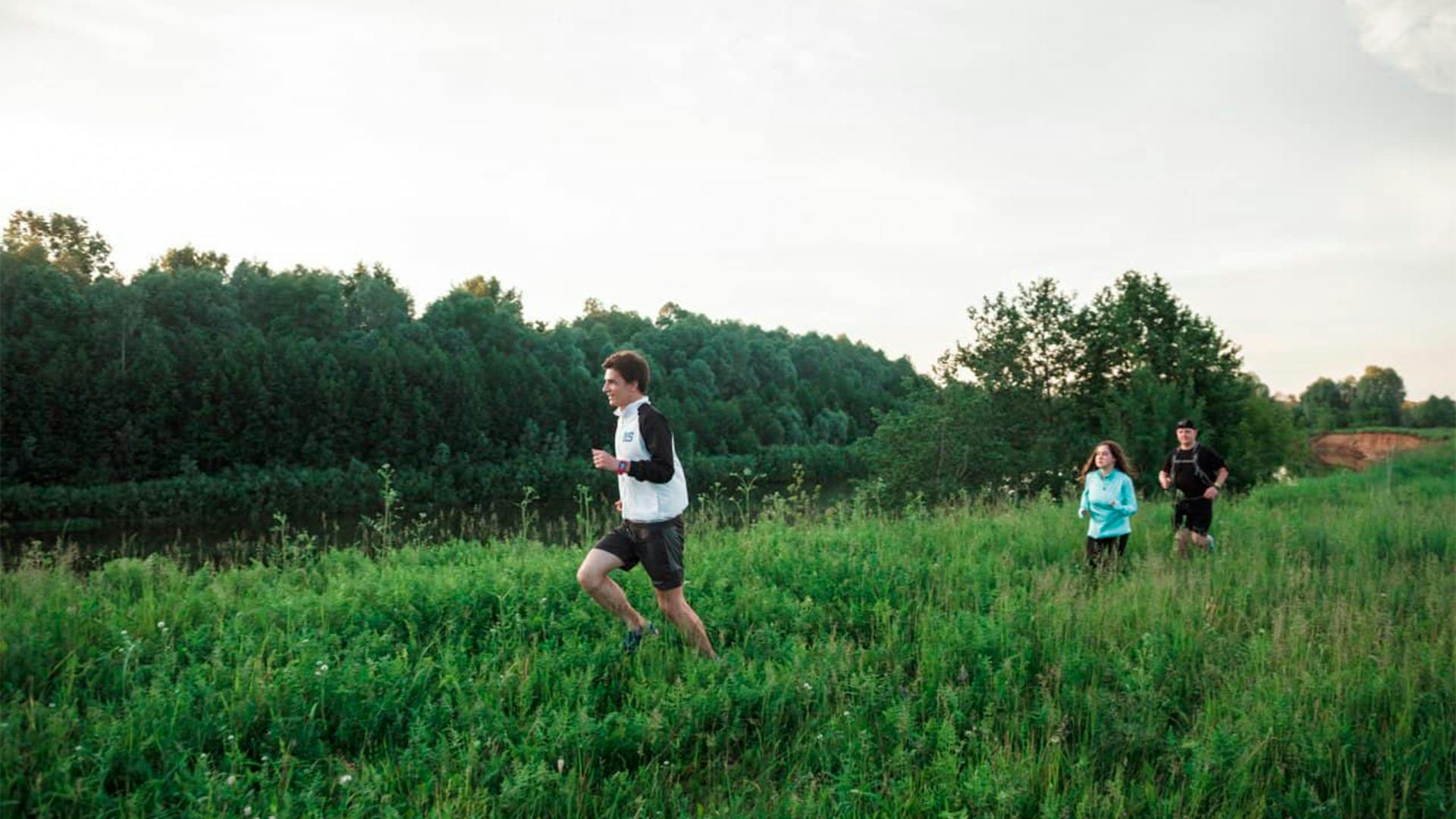
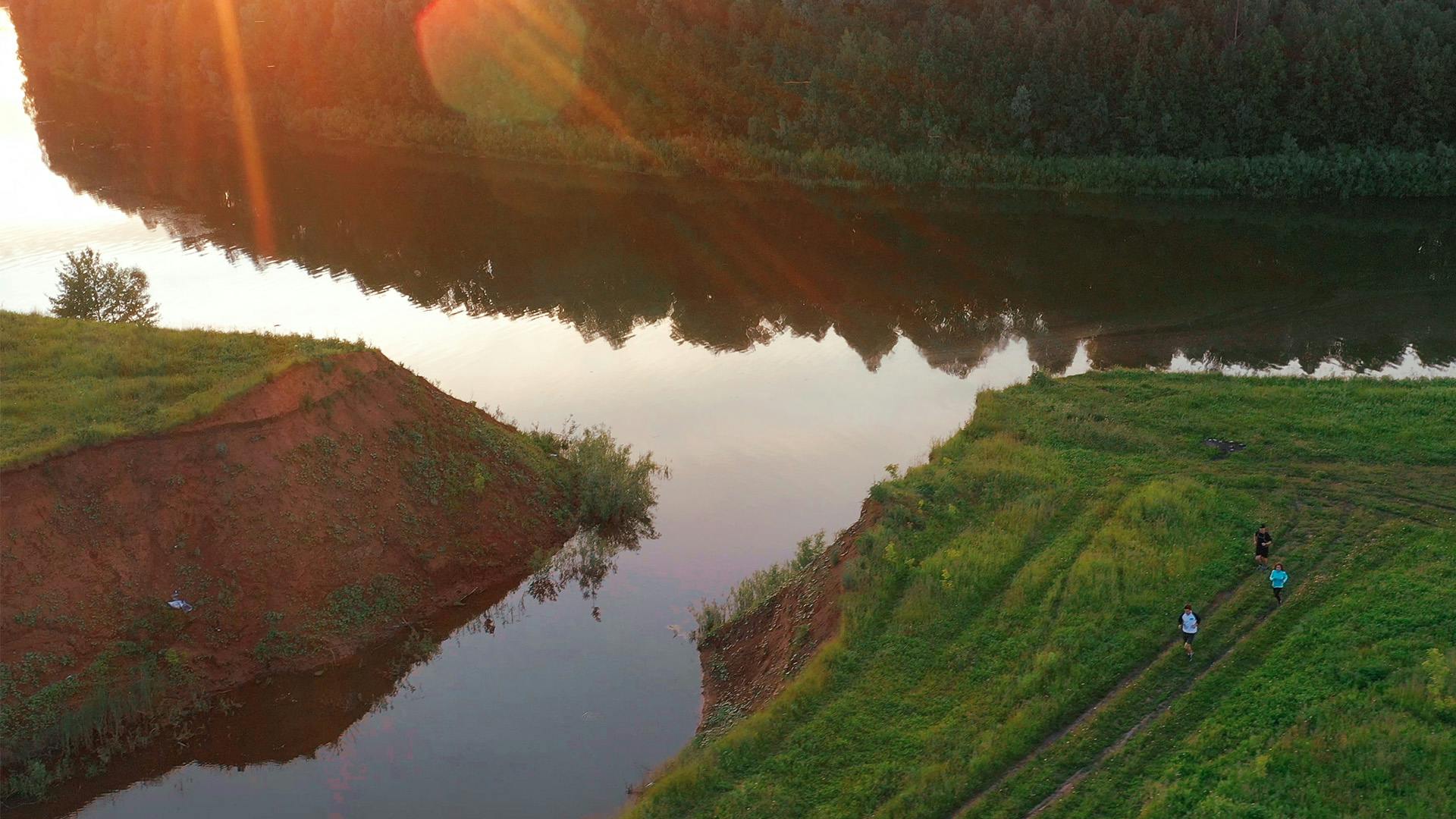
The strategy has established a 150 km network of new cycling and pedestrian routes. A dedicated 30 km sports trail along the river will be integrated into a regional ecotourism route. A unified design for street furniture and signage will ensure visual coherence along the entire riverbank.
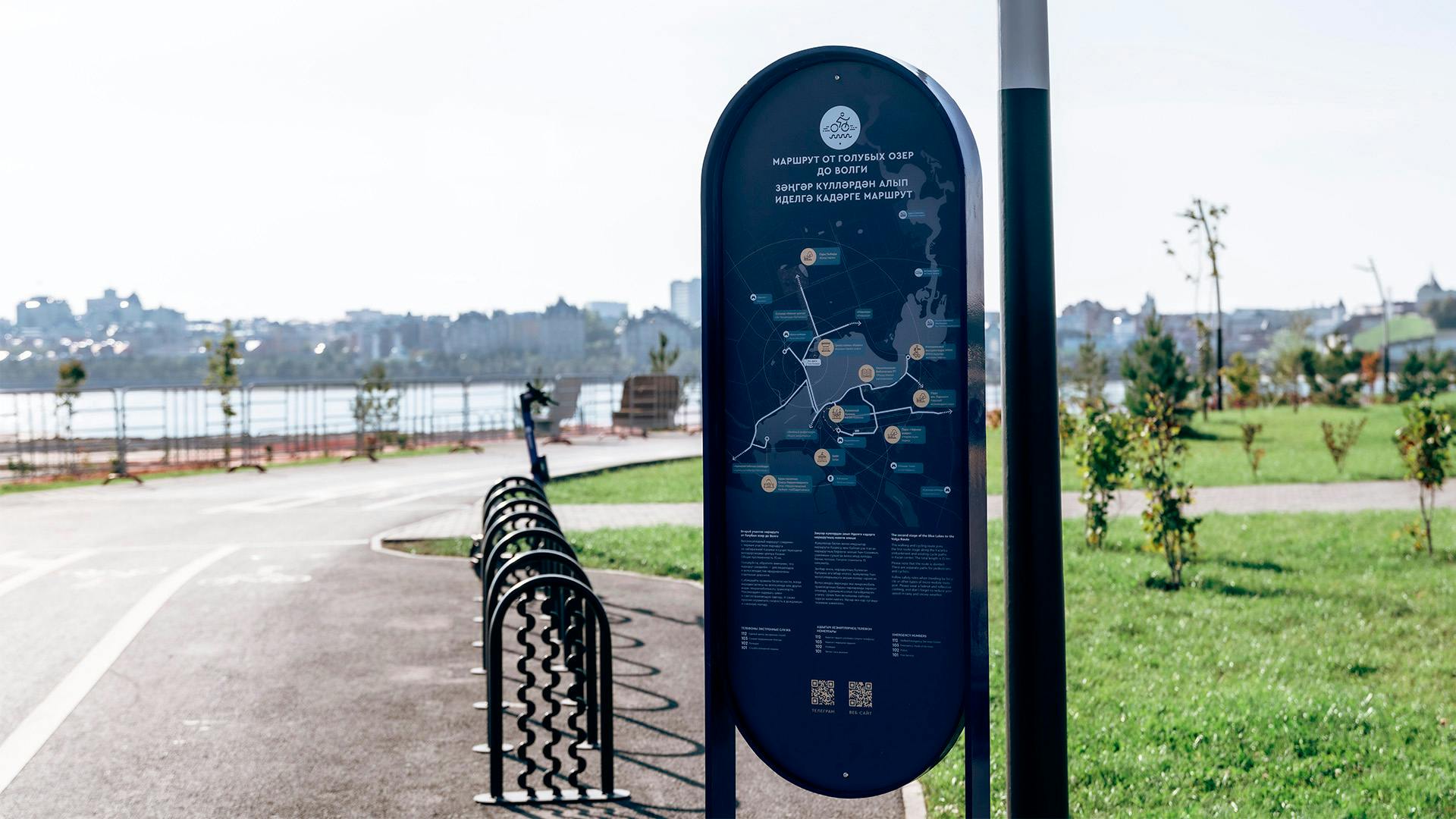
2. Accessibility
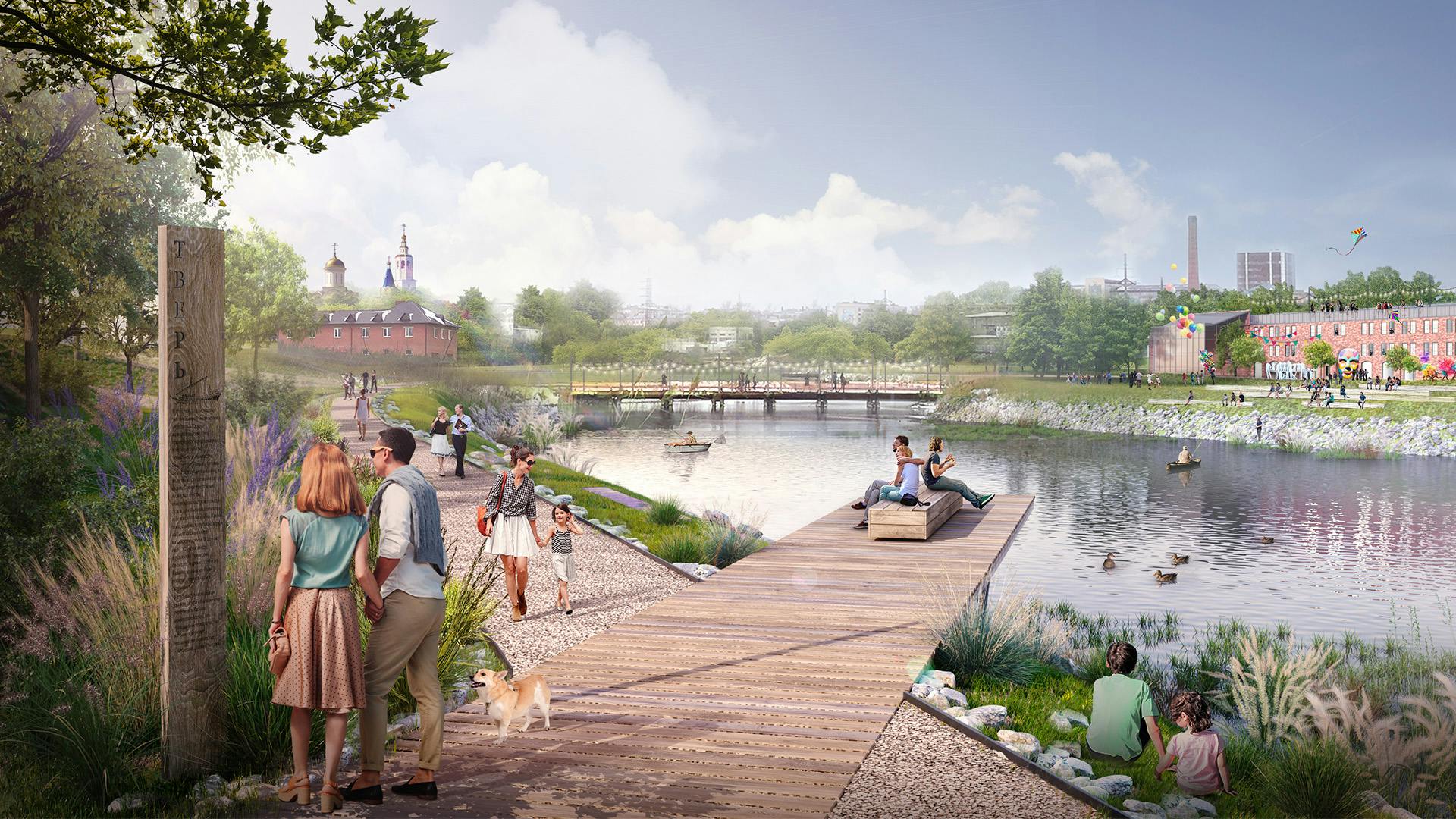
The project prioritizes soft mobility, limiting motorized traffic along the riverbanks and improving access to the river. Around thirty "entry points", in the form of designated parking areas — most of them connected to the bus network and equipped with essential services — will be installed at key junctions between transport networks and the parks. 80 priority access points to the river have been identified, and thirty new pedestrian bridges will be built over time.
3. An active river
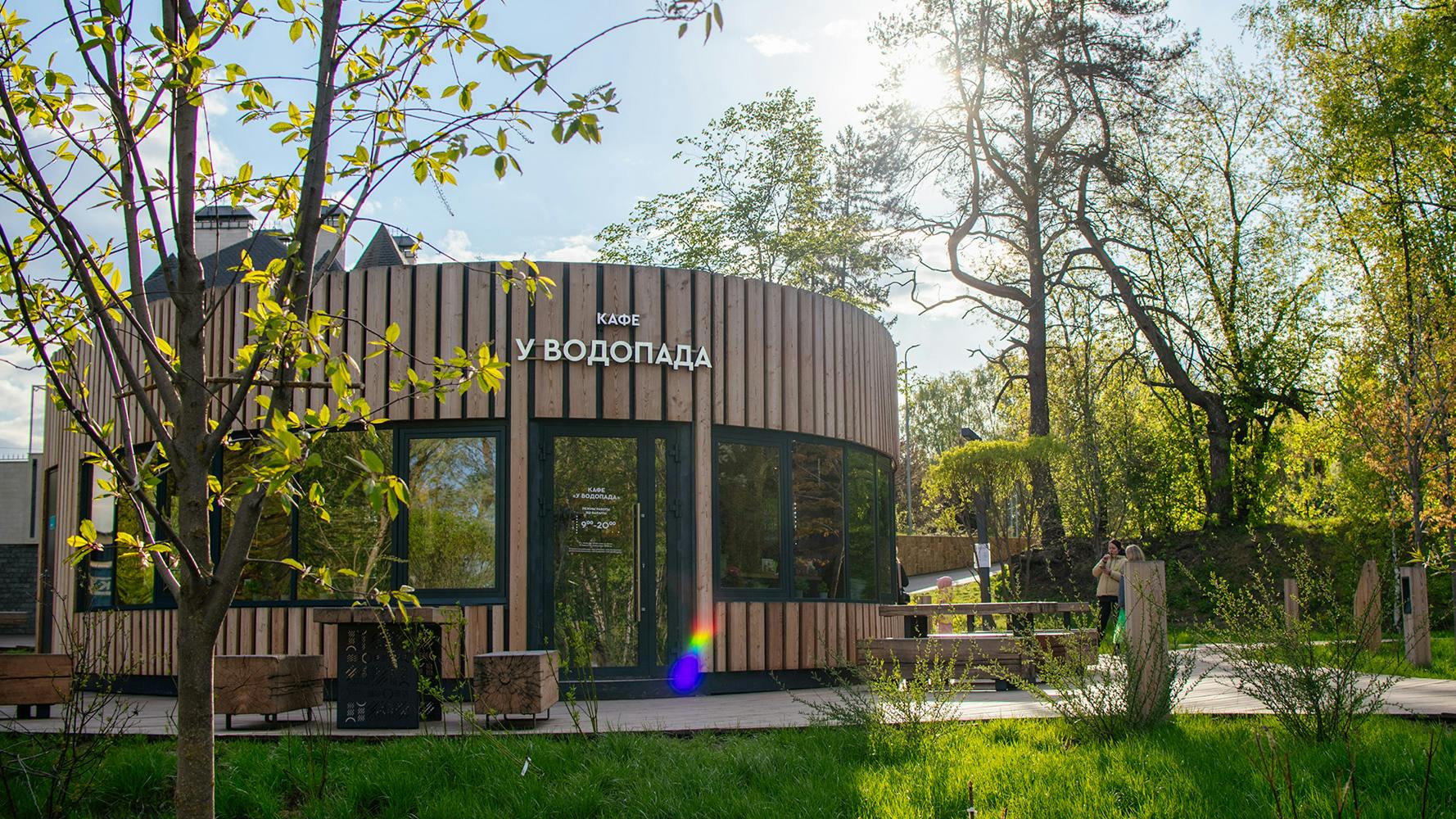
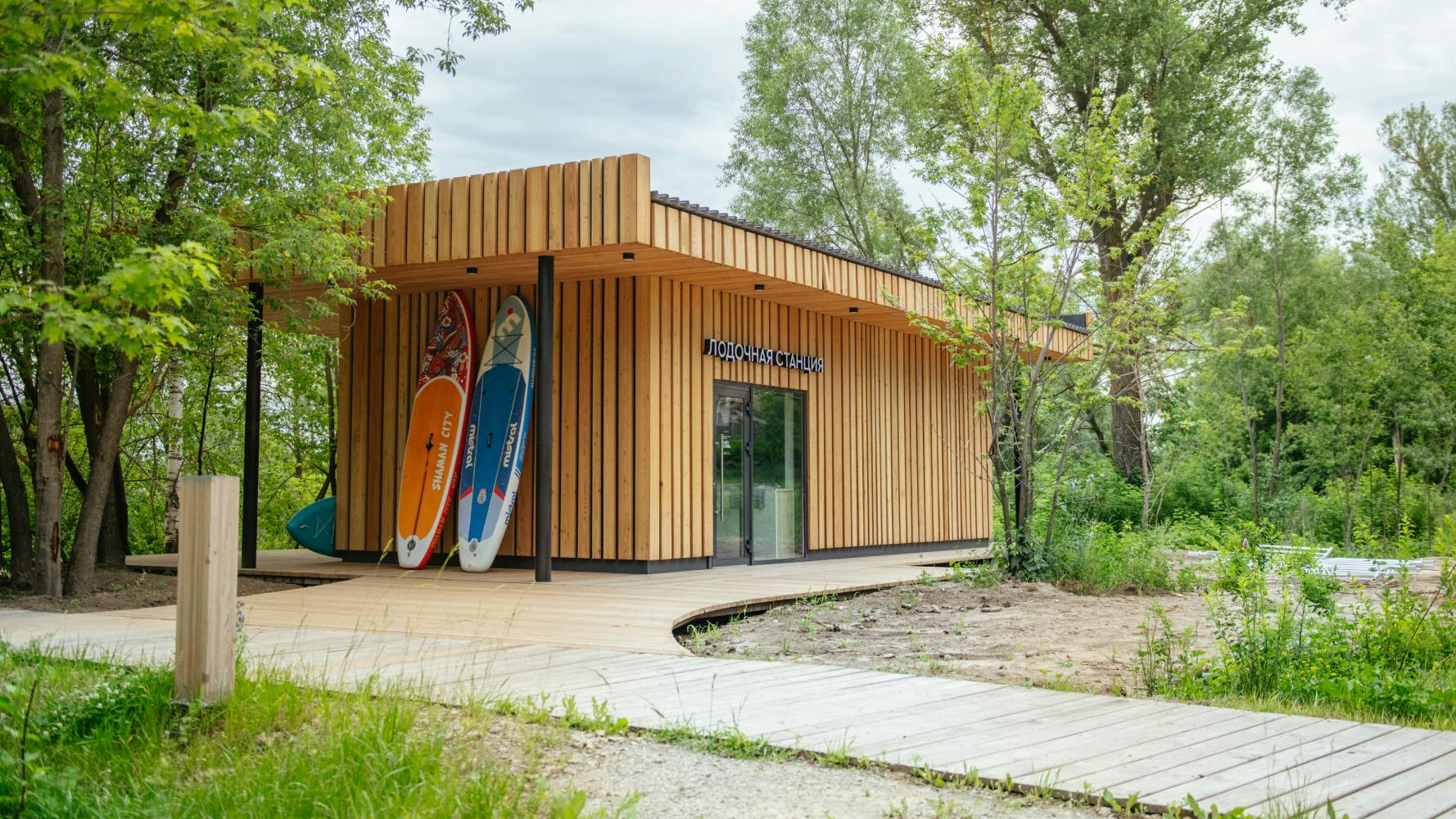
A key focus of the strategy is to revive activities on the river. Plans include the development of a public river transport system with 11 stations, several marinas, a water sports center, and around fifty small flexible platforms on the water.
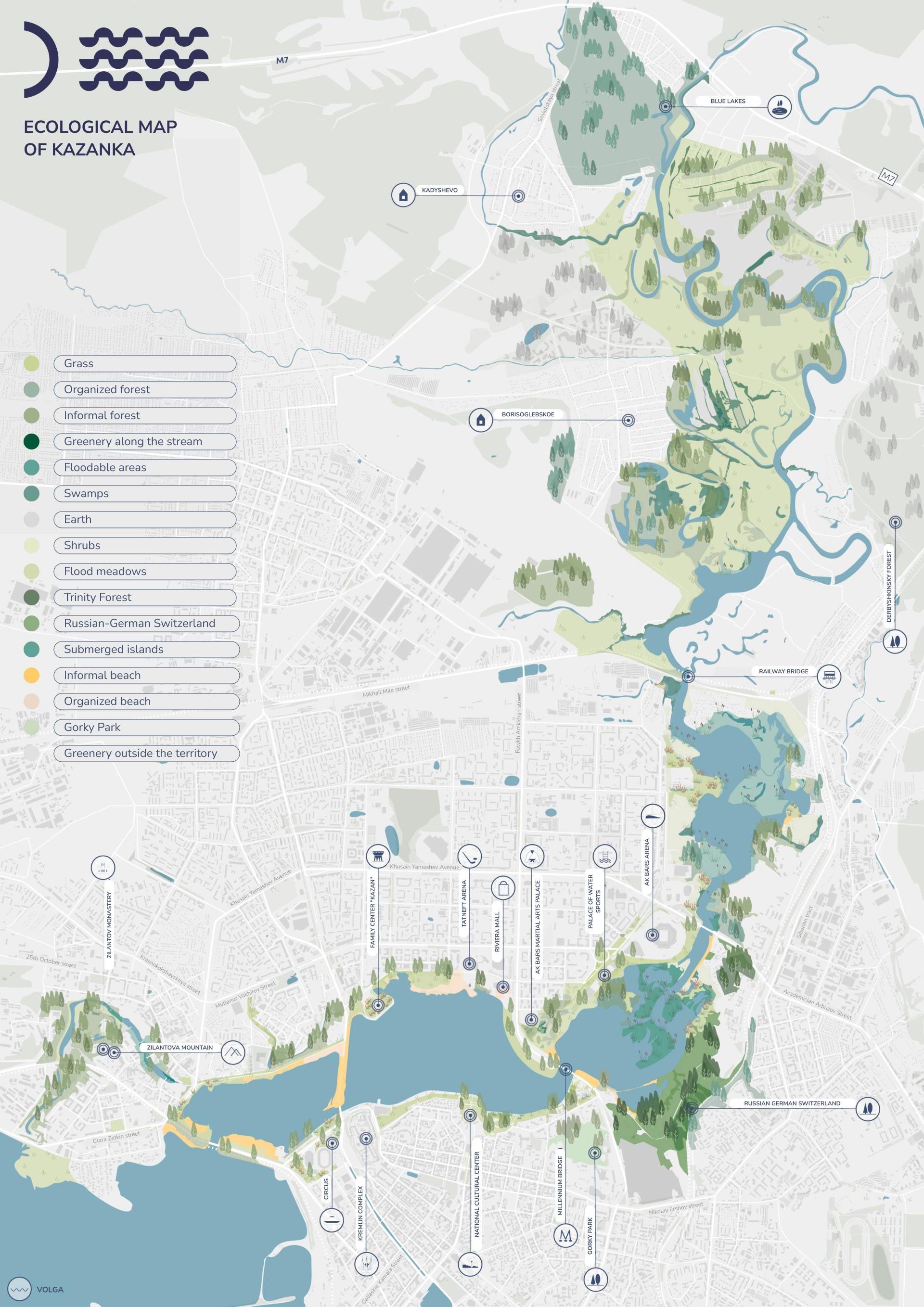
4. Ecological corridor
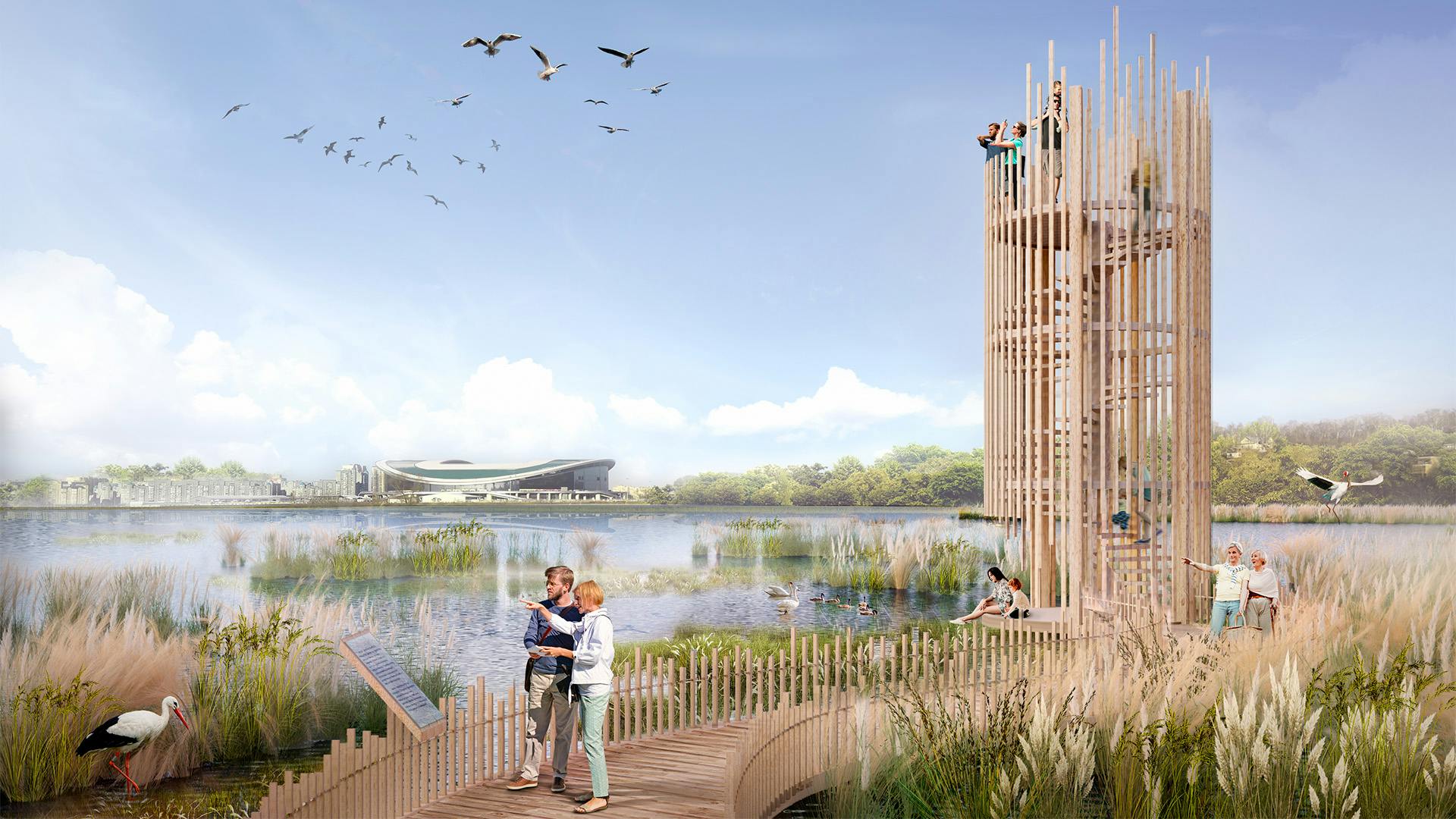
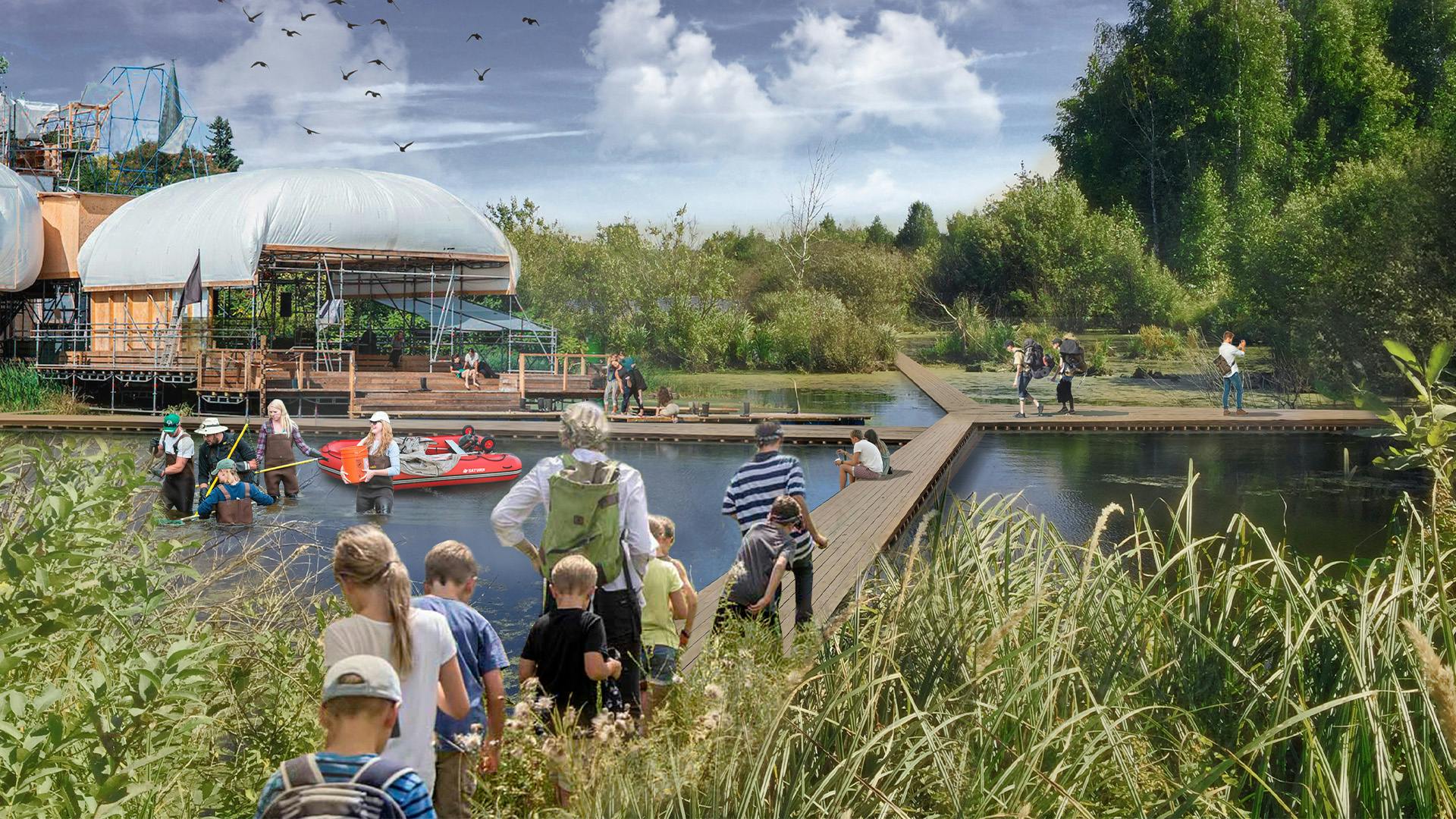
The goal is to create an ecological corridor and improve environmental conditions along the riverbanks and in the water, notably through the creation of protected natural areas (40% of the new parks) and the implementation of an environmental education program to raise awareness about the ecosystem and ecological responsibility.
5. A river economy
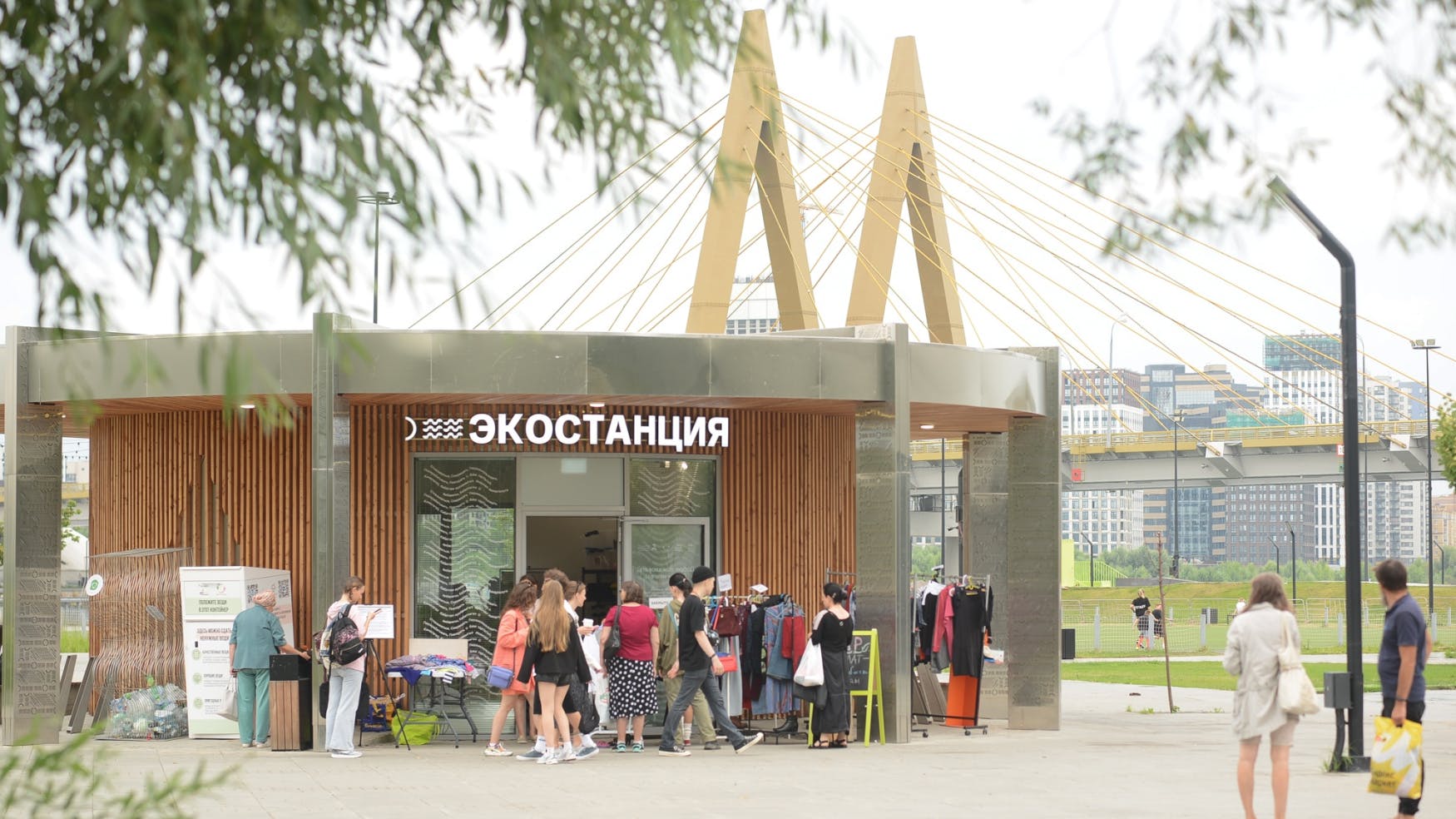
The river has the potential to become an economic driver, balancing new development zones with public spaces that support ecotourism, offering recreational, leisure, sports, and cultural activities and services. More than one million square meters of land have been identified to host ambitious projects that respect the river’s fragile ecosystem.
6. A rive code
The strategy defines a "River Code", composed of area-specific guidelines to regulate development. It specifies, among other things, the maximum building heights, density limits, access principles, approved materials for riverbanks, and standards to ensure project quality and protect the ecosystem.
7. River culture
The river embodies a new urban culture, centered on health, ecology, history, and creativity. Each park will host local events, as well as city-wide celebrations and gatherings. From the very beginning of the strategy, a dedicated city-side team was formed to propose and lead initiatives on the ground.
Active participation
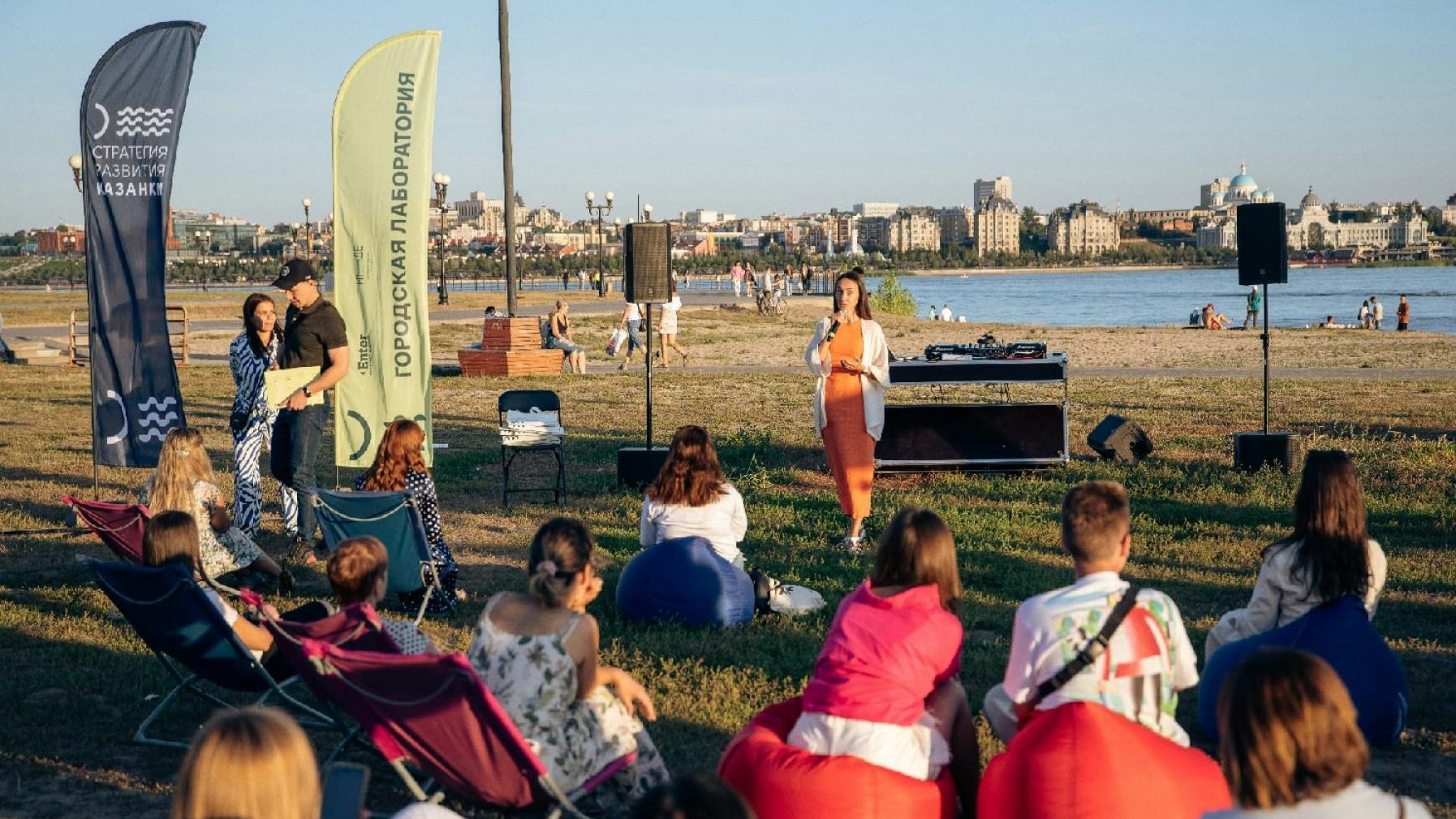
The strategy was co-developed with local experts and residents. On the interactive platform created for the project, www.kazanka.tatar, over 600 improvement proposals were collected. Workshops and exploratory walks helped gain a better understanding of the riverbanks’ condition, leading to the creation of a participatory ecological lab: "The Citizen-Scientist".

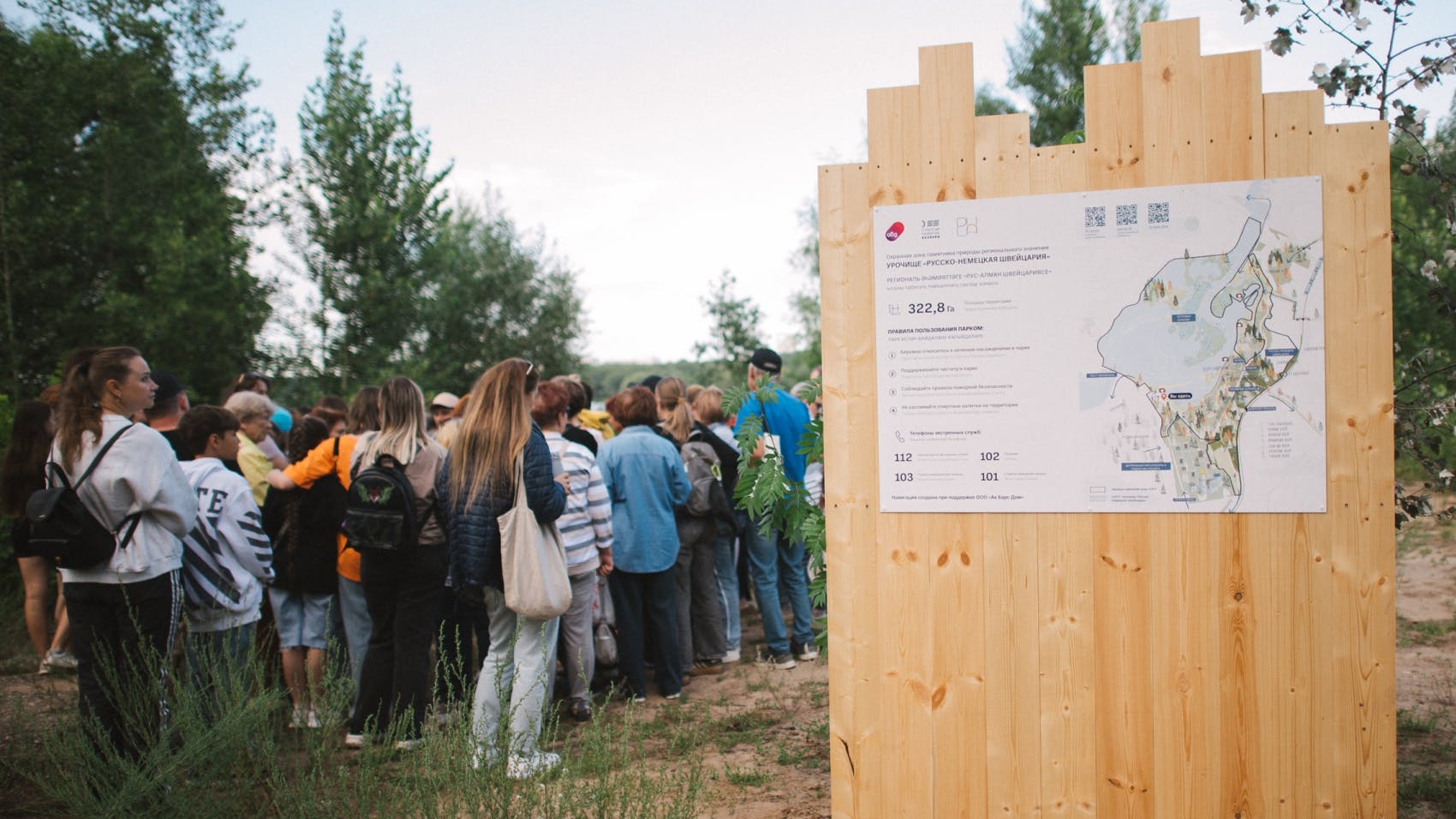
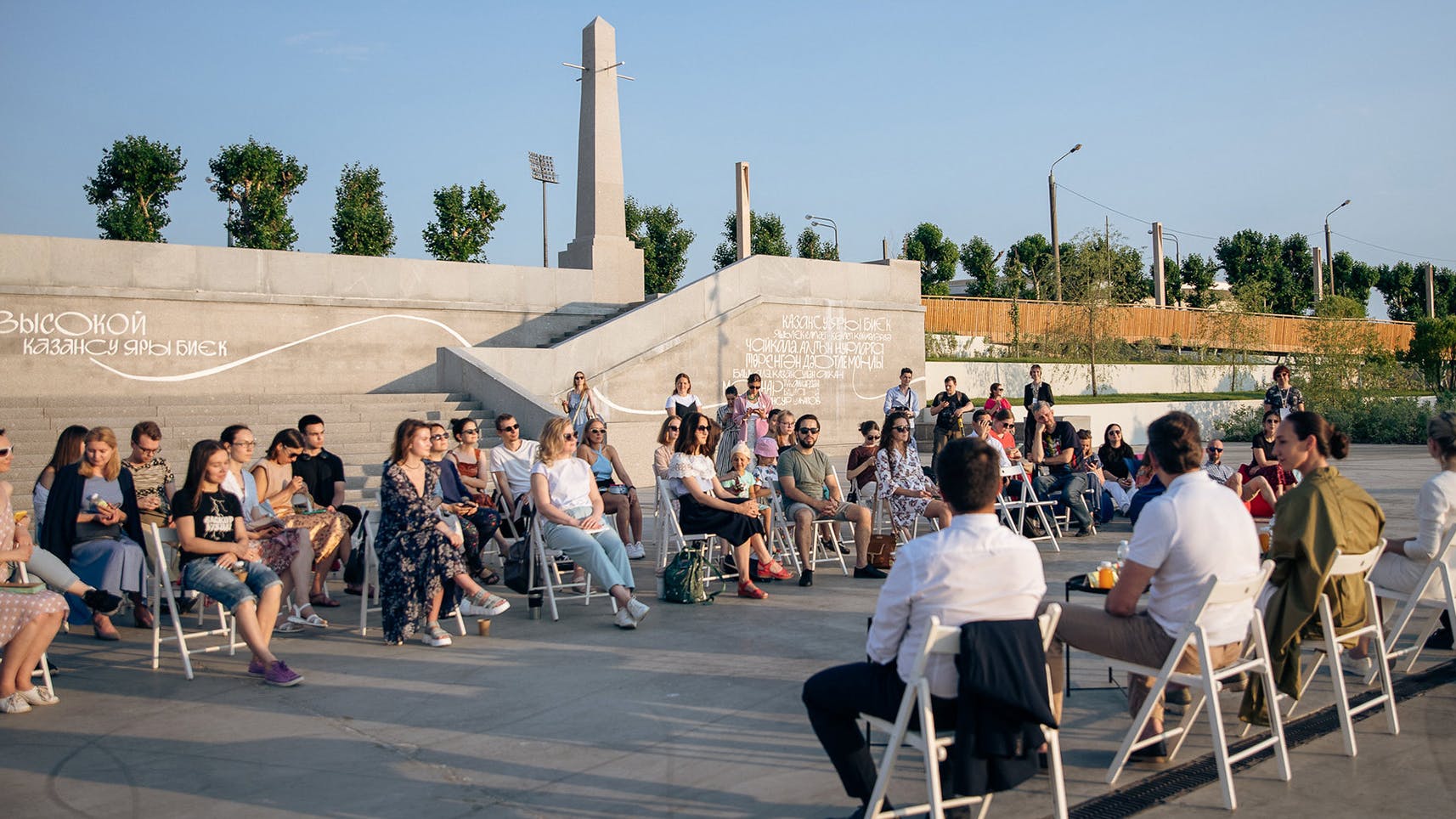
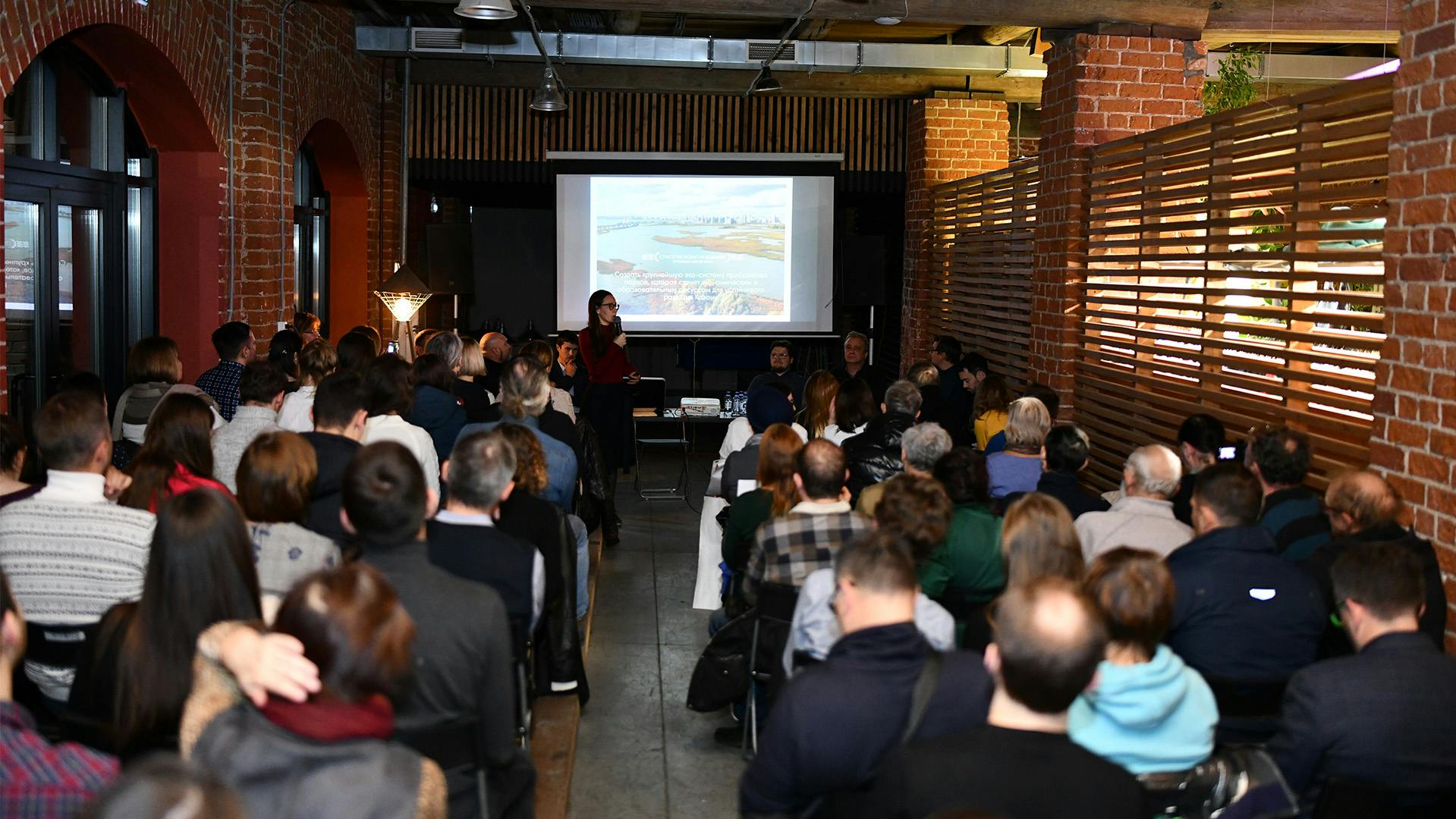
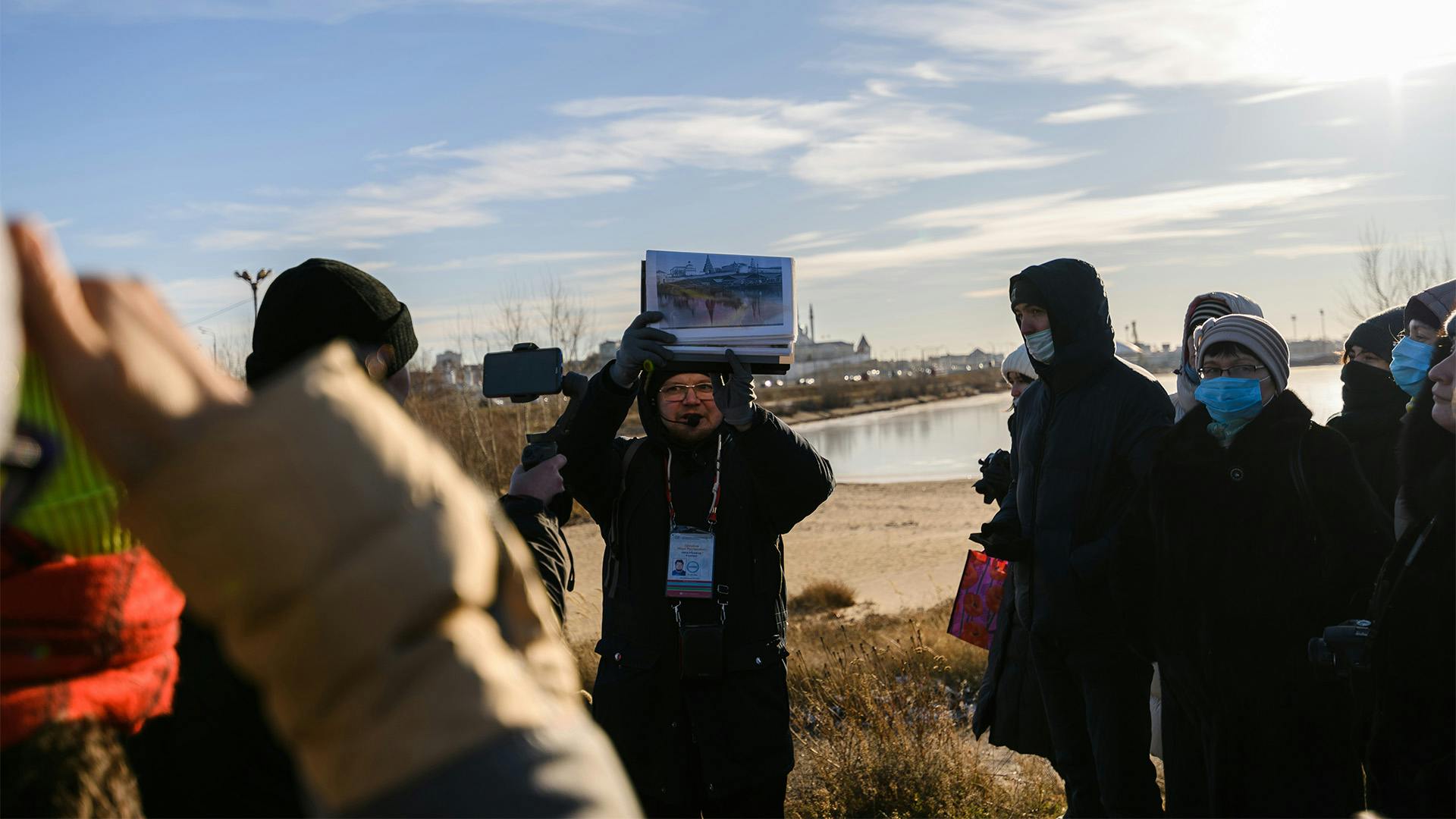
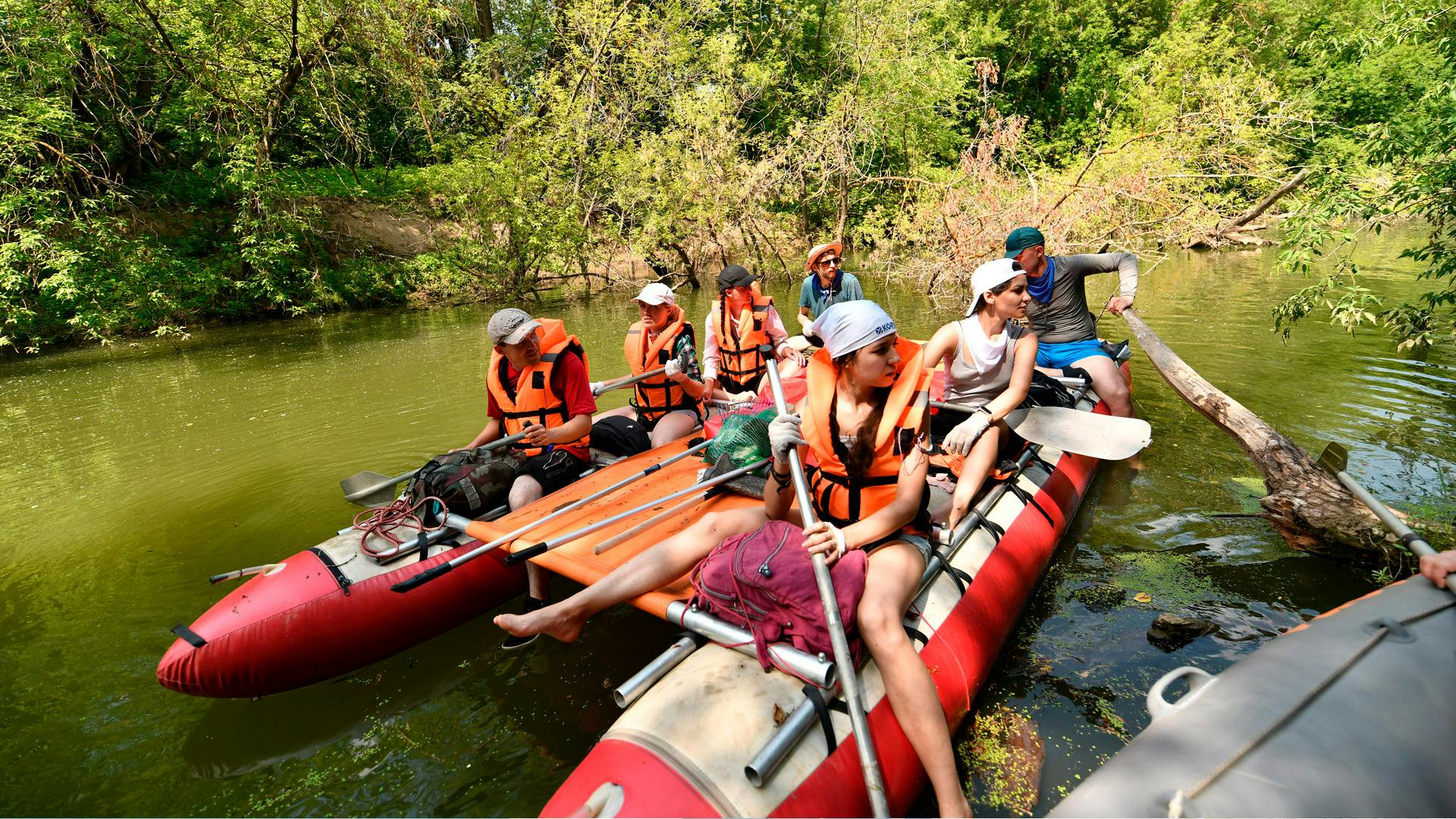
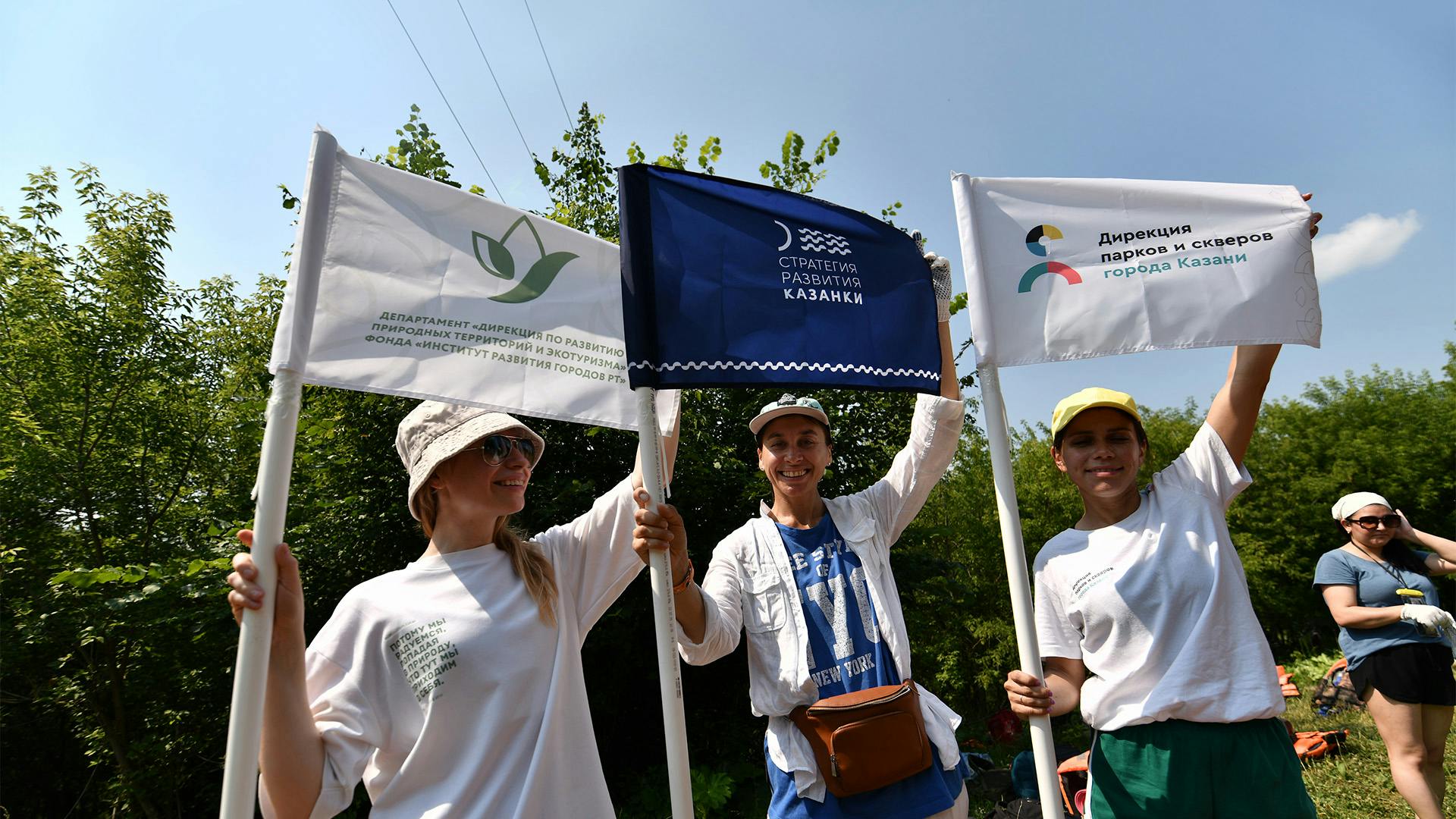
Several events were organized throughout the project to support the participatory process, focusing on ecology, responsible consumption, and sustainable living. For example: a one-day ecological expedition to clean the Kazanka riverbed near the Blue Lakes, during which 50 participants collected 310 kg of waste.